
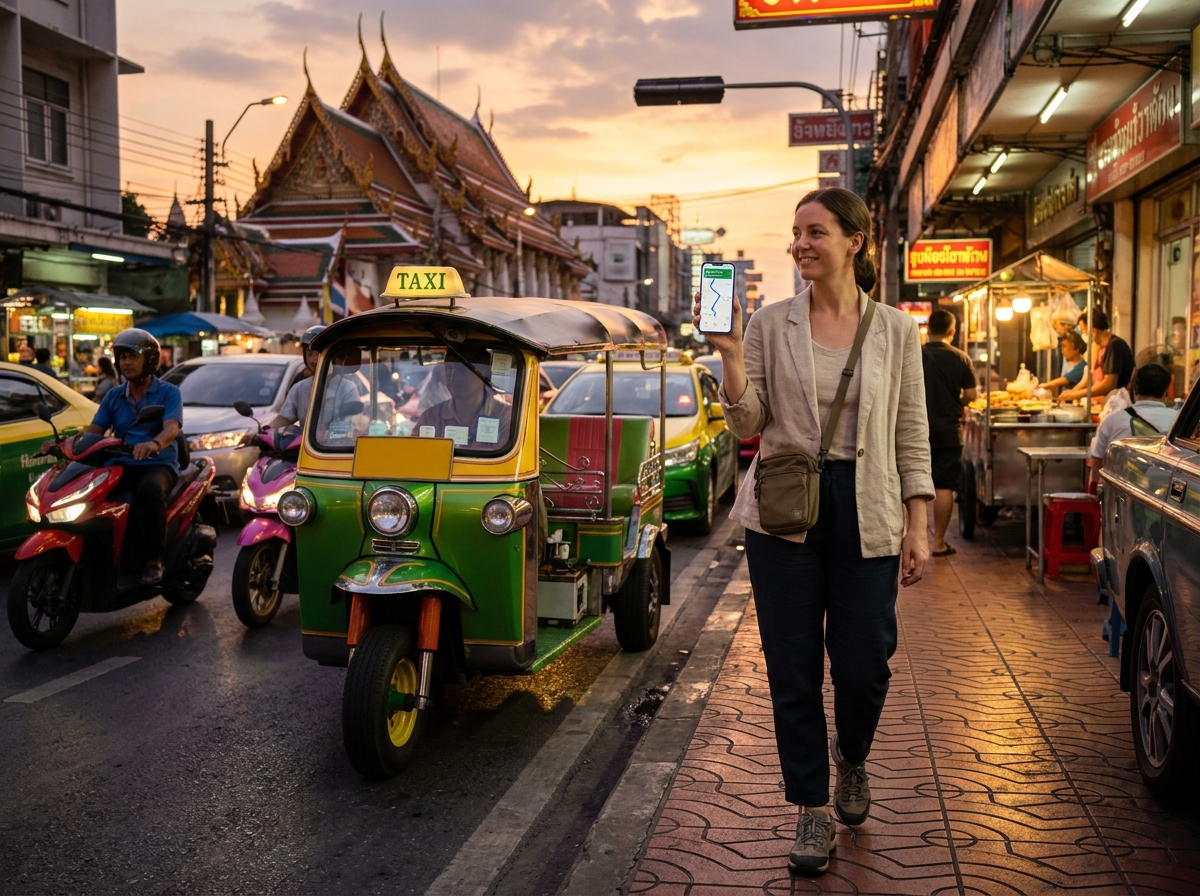
Thailand is one of my favorite countries to travel around alone, partly because it is so easy to enjoy without constantly worrying about what could go wrong.
I can have breakfast at a tiny noodle shop, spend the afternoon exploring a temple, jump on a train to another city, and finish the evening at a night market without needing a complicated itinerary.
But solo travel has one important difference: when something goes wrong, there isn’t a travel companion standing next to you to solve it.
I’ve learned to take a few simple precautions. I keep copies of important documents, carry enough water, watch my belongings in crowded areas, and never treat a rented scooter like a toy. These habits don’t make travel boring. They give me more freedom because I’m not constantly worrying about avoidable problems.
Thailand is generally straightforward for independent travelers, but there are some health and safety issues worth taking seriously, particularly road accidents, heat, mosquitoes, food and water, swimming, alcohol, and animal bites.
Here’s the practical advice I wish every first-time solo traveler had before arriving.
The Thailand Safety Checklist I Actually Use
Before leaving my hotel each morning, I mentally check five things:
- Phone: charged and connected to mobile data
- Money: small amount of cash plus a backup payment method
- ID: passport secured, with a copy stored separately
- Water: especially when sightseeing outdoors
- Return plan: how I’m getting back to my accommodation
It sounds almost ridiculously basic.
That’s precisely why it works.
I don’t want to spend an evening in Chiang Mai realizing my phone is at 4% battery while I’m trying to find my hotel, or discover that I left my only bank card in a café three neighborhoods away.
1. Take Thailand’s Heat Seriously
The heat is probably the easiest danger to underestimate.
You can walk around Bangkok for an hour and feel perfectly fine, then suddenly realize your clothes are soaked with sweat and you’ve barely had anything to drink.
Thailand’s tropical climate means heat-related illness is a genuine concern. The CDC advises travelers to drink regularly, wear lightweight clothing, limit strenuous activity during extreme heat, and seek shade during the hottest part of the day.
My personal rule is simple:
If I’m sightseeing outdoors, I don’t wait until I’m thirsty.
I carry water and drink throughout the day.
For long walking days, especially around Ayutthaya, Bangkok’s temples or Chiang Mai’s outdoor attractions, I also plan a café or air-conditioned shopping mall stop during the hottest hours.
Watch for warning signs
If you develop:
- Severe headache
- Dizziness
- Nausea
- Unusual weakness
- Confusion
- Fainting
stop exercising or sightseeing, get somewhere cool and seek medical help if symptoms are severe or don’t improve.
Don’t try to “push through” serious heat symptoms just because you have another temple on your itinerary.
2. Be Serious About Motorbikes
If there’s one piece of safety advice I’d emphasize to solo travelers, it’s this:
Don’t rent a scooter just because everyone else is doing it.
Thailand is incredibly convenient for motorcycle travel, especially on islands and in smaller towns. But convenience and safety are two different things.
I’ve watched confident-looking tourists pick up scooters after barely riding one before. The first few kilometers look fine.
Then comes a wet corner, a sudden vehicle, loose gravel or an unfamiliar intersection.
If you’re not an experienced rider, use:
- Grab
- Licensed taxis
- Songthaews where appropriate
- Trains
- Buses
- Private transfers
If you do ride, wear a proper helmet and make sure your license and insurance arrangements actually cover motorcycle use.
Don’t drink and ride.
Don’t ride without a helmet because you’re “only going five minutes.”
And don’t assume a quiet island road is automatically safe.
The biggest mistake is often overconfidence.
3. Cross Roads Like You Mean It
Thailand drives on the left side of the road, but that doesn’t make crossing busy streets intuitive for every visitor.
In Bangkok, traffic can come from several directions, motorcycles can filter between vehicles, and turning cars don’t always behave exactly as a pedestrian expects.
When crossing:
- Use pedestrian crossings where practical.
- Watch for motorcycles.
- Don’t assume a vehicle will stop because you have the right of way.
- Look carefully before stepping out.
- At complicated intersections, follow the behavior of experienced local pedestrians.
One habit I developed quickly was stopping at the curb for a second instead of automatically walking into the road because the pedestrian signal changed.
A two-second pause is cheap insurance.
4. Protect Yourself From Mosquitoes
Mosquitoes aren’t merely annoying in Thailand.
The CDC notes that mosquito-borne illnesses including dengue, Zika and filariasis occur in Thailand, and recommends using insect repellent and other bite-prevention measures.
I keep repellent in my day bag, particularly when I’m going somewhere with vegetation, waterfalls, rural accommodation or outdoor evening activities.
My simple mosquito routine
- Apply repellent before outdoor activities.
- Wear loose, lightweight clothing.
- Use long sleeves when practical.
- Choose accommodation with screens or air conditioning.
- Reapply repellent according to the product instructions.
Don’t assume mosquitoes are only a jungle problem.
I’ve encountered them perfectly happily in urban areas too.
5. Be Sensible With Food and Water
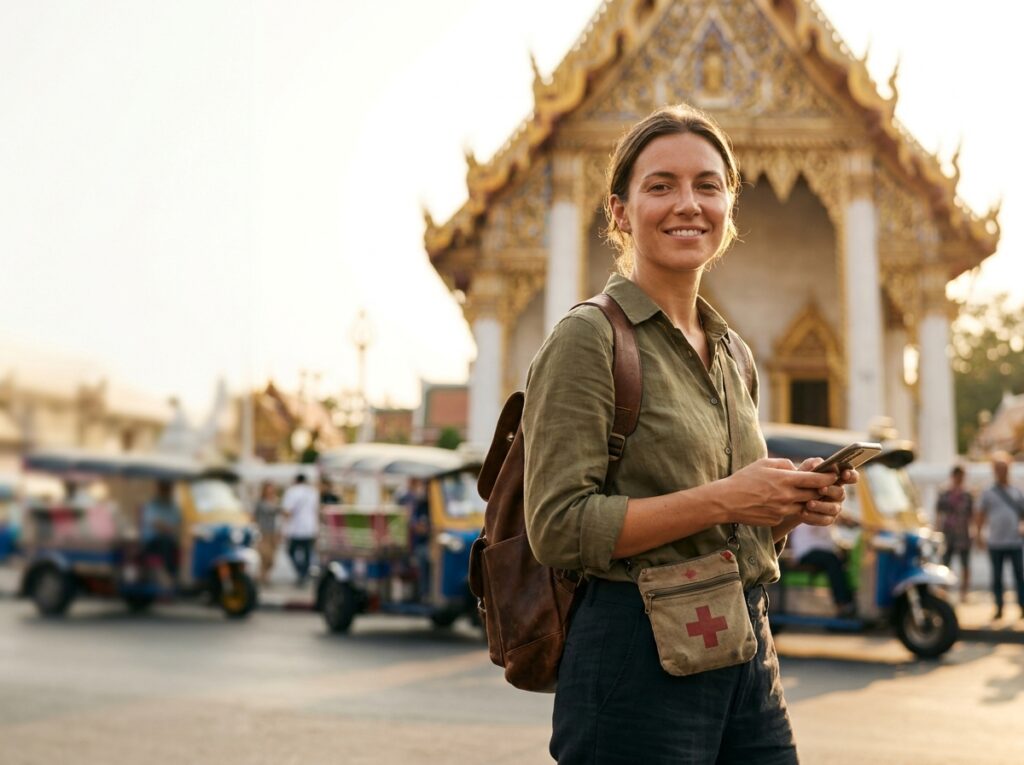
One of the best things about Thailand is the food.
I’m not going to tell you to avoid street food. That would be terrible advice for someone visiting Thailand.
Instead, I pay attention to how the food is handled.
The CDC recommends choosing food that is thoroughly cooked and served hot and being cautious with food and drinks that may be contaminated.
When I’m choosing a street-food stall, I look for:
- High customer turnover
- Food cooked in front of me
- Ingredients stored appropriately
- Clean cooking surfaces
- Hot food served immediately
A busy noodle stall with food constantly moving is often more appealing to me than a deserted stall with trays sitting around for hours.
For drinking water, I generally stick with sealed bottled water.
And if I buy a bottle, I check that the cap and seal look intact.
6. Don’t Automatically Blame the Last Meal
If you develop diarrhea or stomach cramps, don’t immediately decide that the last street-food dish you ate was responsible.
Foodborne illness can have an incubation period, and several different things can cause stomach problems while traveling.
My first response is usually:
Hydrate. Rest. Keep food simple.
Oral rehydration solution can be useful if you’re losing a lot of fluid.
If symptoms are severe, persistent, bloody, accompanied by high fever, or you’re becoming dehydrated, seek medical attention rather than trying to self-treat indefinitely.
Thailand has excellent private hospitals in major cities, and getting medical help is generally much easier in Bangkok, Chiang Mai, Phuket and other major tourist destinations than travelers sometimes expect.
7. Don’t Touch Stray Dogs or Cats
This is another rule I follow religiously.
Thailand has plenty of friendly-looking street dogs and cats.
Some will happily sit beside you.
Some will follow you down the street.
That doesn’t mean you should pet them.
The CDC warns that animal bites and scratches can transmit rabies and recommends avoiding contact with unfamiliar animals. Rabies is particularly serious because treatment needs to happen quickly after a potential exposure.
If an animal bites or scratches you
Don’t simply wash it and forget about it.
Wash the wound thoroughly with soap and running water and seek medical care promptly for professional assessment.
The same applies if saliva from an unfamiliar animal gets into an open wound or mucous membranes.
I know that sounds overly cautious.
It’s much better than discovering later that a cute dog you met outside a temple wasn’t as harmless as it looked.
8. Be Careful Around Water
Thailand’s beaches make it tempting to assume every body of water is safe for swimming.
That’s not the case.
I only swim where conditions are clearly suitable and where lifeguards or local warnings indicate that swimming is appropriate.
The CDC advises travelers to swim in designated areas, follow warning flags and lifeguard instructions, avoid diving into shallow water, and be cautious with untreated freshwater. It specifically notes that leptospirosis is present in Thailand and can be associated with freshwater exposure.
This matters when you’re visiting waterfalls, rivers, lakes and natural swimming holes.
A beautiful Instagram location isn’t necessarily a safe swimming location.
9. Don’t Mix Alcohol With Adventure
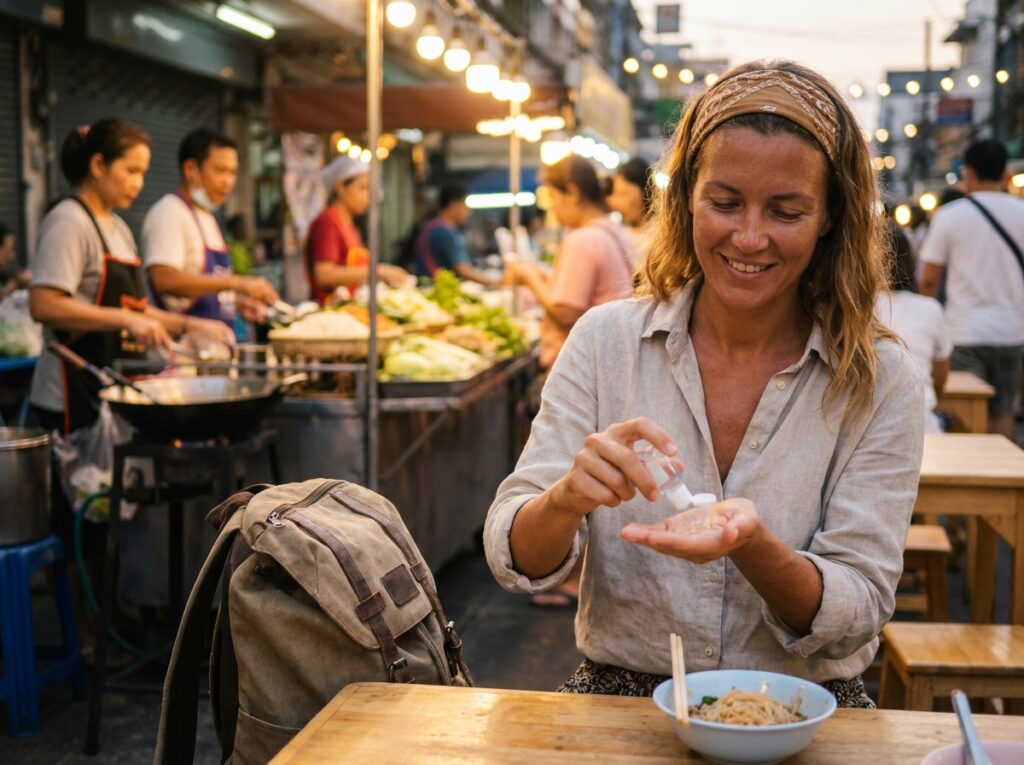
Thailand’s nightlife is part of the experience.
I enjoy a cold drink as much as anyone.
But I don’t combine heavy drinking with:
- Motorbike riding
- Swimming
- Cliff jumping
- Boating
- Hiking alone
- Unfamiliar transportation
Alcohol changes judgment, balance and reaction time.
The biggest problem for solo travelers is that there isn’t a friend nearby to say, “Maybe don’t do that.”
So I try to be that annoying friend to myself.
If I’m drinking heavily, I’m done with adventurous activities for the day.
10. Keep Your Passport Secure
I rarely carry my original passport around all day unless I specifically need it.
Instead, I keep it secured at my accommodation and carry a copy or digital backup when appropriate.
I also keep copies of:
- Passport identification page
- Visa/entry information if applicable
- Travel insurance
- Flight details
- Emergency contacts
Store them somewhere accessible even if your phone is lost.
A cloud backup plus an offline copy is even better.
The important thing is that you don’t want your only copy of important information sitting inside the phone that you’ve just dropped in a swimming pool.
11. Protect Your Phone and Wallet in Crowds
Thailand’s markets, festivals, BTS stations, temples and nightlife districts can become extremely crowded.
That’s when I stop carrying my wallet in an easy-to-reach back pocket.
I prefer:
- Front pocket
- Zipped bag
- Crossbody bag worn securely
- Small money pouch
I also avoid displaying large amounts of cash.
You don’t need to walk around Bangkok looking like you’re carrying your entire holiday budget.
Keep a small amount accessible and the rest secured.
12. Use Official or Reputable Transportation
Thailand has plenty of legitimate taxis, ride-hailing services and local transportation.
I generally prefer using established apps where available because the destination and fare information are recorded.
For taxis, check whether the meter is being used where applicable before departing.
For tuk-tuks, agree on the price before you get in.
A classic mistake is saying:
“How much?”
and getting a vague answer.
Instead, establish the total:
“How much to this hotel?”
If you agree, get in.
If the price seems unreasonable, politely decline and ask another driver.
You don’t need to turn a 200-baht disagreement into a dramatic argument.
13. Know Thailand’s Emergency Numbers
This is one section I actually save in my phone before traveling.
Thailand’s Tourist Police lists the following emergency contacts: 1155 for Tourist Police, 191 for police, 199 for fire/rescue, and 1669 for emergency medical services.
| Situation | Number |
|---|---|
| Tourist Police | 1155 |
| Police | 191 |
| Medical emergency | 1669 |
| Fire/rescue | 199 |
| Tourism Authority of Thailand | 1672 |
| Immigration Police | 1178 |
The Tourist Police hotline 1155 operates 24 hours, according to the Tourist Police’s current information.
I would save these numbers before the trip rather than trying to Google them during an emergency.
14. Tell Someone Where You’re Going
This becomes particularly important when traveling alone outside cities.
If I’m heading out for a remote hike, long motorcycle ride or isolated attraction, I send someone a simple message:
“I’m going here today. I’m staying here tonight. I’ll message you when I’m back.”
It takes thirty seconds.
You don’t need a complicated tracking system.
For longer trips, I also share my accommodation details and rough itinerary with someone I trust.
Solo travel doesn’t mean nobody should know where you are.
15. Don’t Underestimate Nighttime Travel
Thailand’s tourist areas can feel very lively and safe late at night, but that doesn’t mean every road is equally sensible after midnight.
When I’m alone, I become more conservative after dark.
I avoid:
- Empty alleys
- Unlit shortcuts
- Walking long distances while distracted by my phone
- Accepting unsolicited rides
- Following strangers to another location
If I’ve been drinking, I take a reputable ride rather than deciding that a 30-minute walk sounds like an adventure.
There are plenty of adventures available tomorrow.
16. Buy Travel Insurance Before You Need It
This is one of those purchases that feels unnecessary until the day it becomes extremely useful.
I would look for coverage that specifically addresses:
- Medical treatment
- Hospitalization
- Emergency evacuation
- Motorcycle activities if applicable
- Lost or stolen belongings
- Trip interruption
The motorcycle point matters.
If you plan to ride in Thailand, read the policy conditions carefully. Some policies have specific requirements relating to licenses, helmets or whether you were legally entitled to ride.
Don’t assume that buying “travel insurance” automatically means every motorcycle accident is covered.
17. Prepare a Small Travel Health Kit
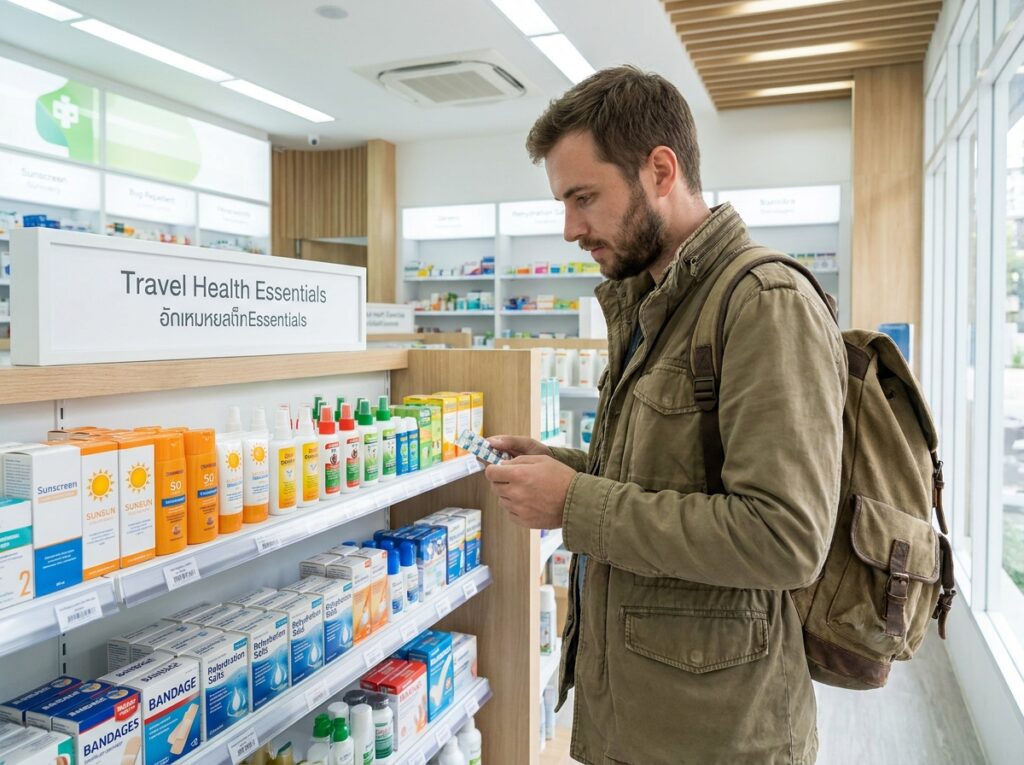
Mine is deliberately boring.
I usually carry:
- Prescription medications
- Basic pain/fever medication
- Antiseptic wipes
- Bandages
- Motion-sickness medication if needed
- Oral rehydration salts
- Sunscreen
- Insect repellent
- Hand sanitizer
The CDC recommends travelers consider a basic first-aid kit and appropriate health supplies for their activities.
If you take prescription medication, bring enough for the trip and keep it in its original packaging.
For specific vaccine or medication recommendations, I’d speak with a travel-health professional before departure rather than relying on a generic internet checklist.
18. Respect Local Rules and Culture
Safety isn’t only about avoiding accidents.
It’s also about avoiding unnecessary problems.
Thailand has cultural and legal rules that visitors should respect.
At temples, I dress appropriately, remove shoes where required and avoid touching religious objects casually.
I also don’t assume that something being normal in my home country is automatically acceptable in Thailand.
When in doubt, I watch what local people are doing and follow the instructions displayed at the site.
A little respect goes a long way.
My Solo Traveler Routine in Thailand
After years of traveling, I’ve developed a routine that takes almost no effort.
Every morning
I check:
- Weather
- Phone battery
- Transport
- Accommodation address
- Cash
- Water
Before an outdoor activity
I add:
- Sunscreen
- Insect repellent
- Appropriate shoes
- Extra water
- Offline map
Before nightlife
I decide:
- How I’m getting home
- Where my phone and wallet are
- How much cash I’m carrying
- Whether I’m drinking
Before leaving town
I check:
- Passport
- Wallet
- Phone
- Charger
- Room safe
- Transport booking
It’s boring.
It also prevents an astonishing number of problems.
The Biggest Solo-Travel Mistake
The biggest mistake isn’t being too cautious.
It’s assuming that because you’ve traveled before, nothing will happen to you.
I’ve traveled through Thailand enough times to become comfortable, but I don’t want comfort to turn into carelessness.
I still look both ways before crossing roads.
I still wear a helmet.
I still use mosquito repellent.
I still check where I’m swimming.
I still protect my phone in crowded places.
And I still tell someone where I’m going when I’m heading somewhere remote.
That’s the strange thing about good travel safety: when you do it properly, you barely notice it.
You get to spend your day worrying about where to find the best khao soi, whether you have enough time to catch the sunset, or which night market to visit next.
That’s exactly how I want solo travel to feel.
Thailand doesn’t require you to travel nervously. It simply rewards you for paying attention.
Keep your valuables secure, respect the roads, protect yourself from the heat and mosquitoes, be sensible around animals and water, and know how to get help if something goes wrong.
Then get out there.
The temples, islands, mountains, markets and little roadside restaurants are waiting—and being prepared means you can enjoy them with a much clearer head.