
The first time I experienced Songkran in Thailand, I made one very simple mistake: I left my hotel carrying my phone in my hand.
Within about three minutes, a teenager with a giant water gun had spotted me.
One perfectly aimed blast later, my phone was soaked, my shirt was completely drenched, and a group of laughing strangers were celebrating like they’d just won a football match.
I couldn’t even be annoyed.
That’s Songkran.
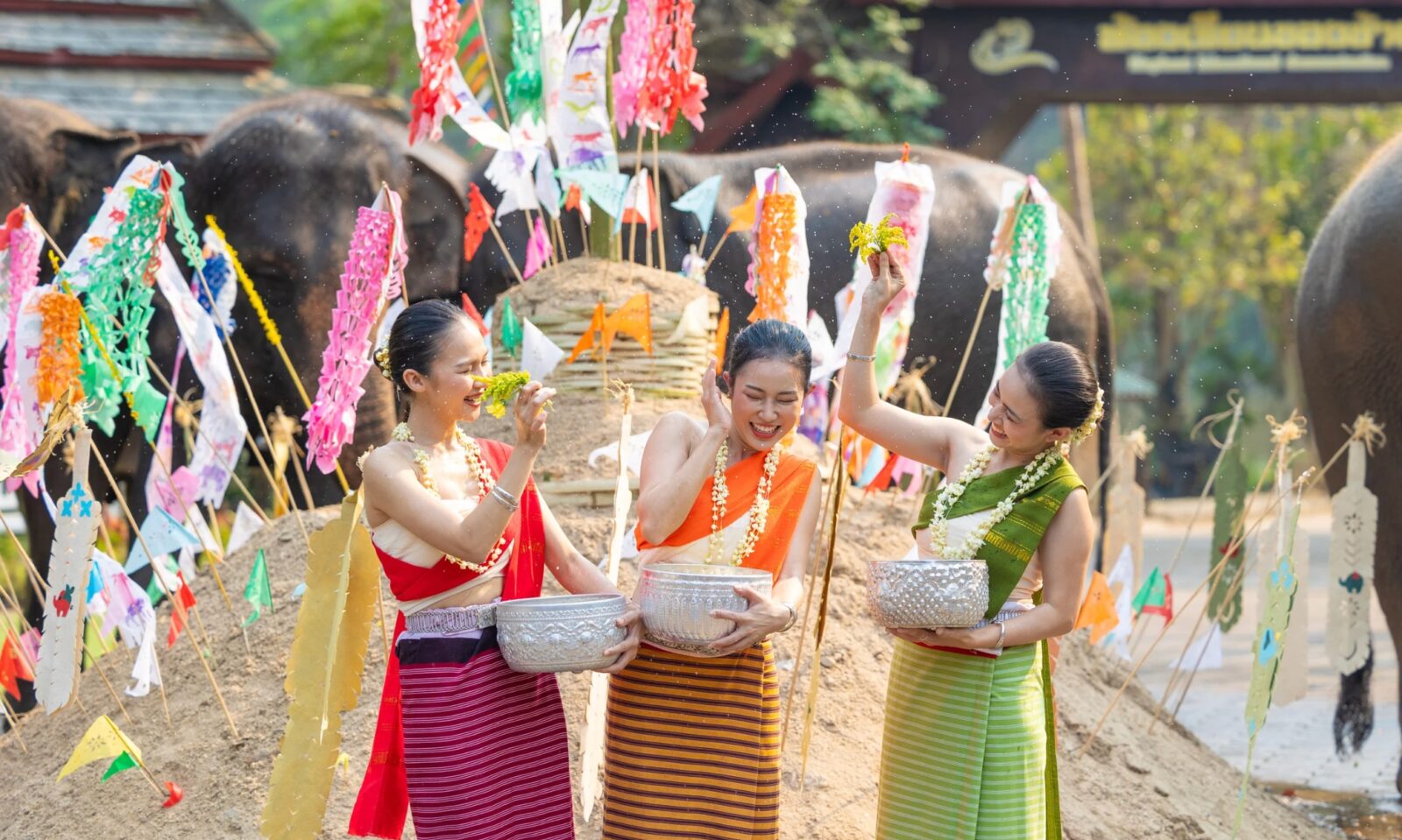
For a few days every April, Thailand becomes a giant outdoor water fight. Streets fill with music, pickup trucks carrying people with water barrels, families carrying buckets, tourists armed with water guns, and locals happily soaking anyone who looks remotely prepared for it.
But Songkran isn’t just a water fight. It’s Thailand’s traditional New Year festival, with religious and family traditions taking place alongside the modern street celebrations. The Tourism Authority of Thailand describes Songkran as Thailand’s New Year and highlights traditions such as bathing Buddha images, making merit and showing respect to elders.
If you’re planning to experience it for the first time, a little preparation makes a huge difference.
Here’s how I would do Songkran safely while still having an absolutely ridiculous amount of fun.
When Is Songkran?
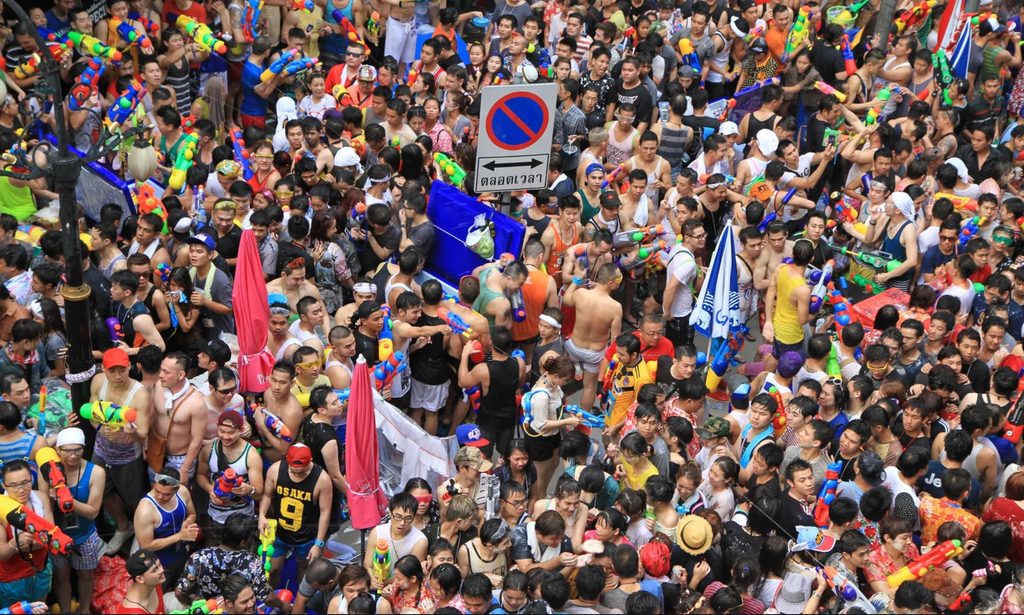
The main Songkran holiday traditionally falls around April 13–15, although celebrations in major tourist destinations can begin earlier and continue beyond those dates.
April is also Thailand’s hottest month. The Tourism Authority of Thailand notes that temperatures can reach around 42°C in parts of northern and northeastern Thailand during April.
So yes, getting soaked sounds refreshing.
And it is.
But standing in direct sunlight for several hours while carrying a water gun can still leave you exhausted and dehydrated.
Typical Songkran timing
| Date | What to expect |
|---|---|
| April 11–12 | Events and water celebrations start building |
| April 13 | Traditional New Year and major water celebrations |
| April 14 | Family Day; large public celebrations continue |
| April 15 | Final major day in many locations |
| After April 15 | Some tourist areas continue celebrations |
The exact schedule varies by city.
For example, Bangkok’s Maha Songkran World Water Festival 2026 was scheduled for April 11–15 at Benjakitti Park, with activities from 11:00 AM to 10:00 PM and free admission.
Where Should You Experience Songkran?
I’ve experienced Songkran in different parts of Thailand, and the atmosphere can be completely different depending on where you go.
Bangkok
Bangkok is probably the easiest choice for a first-time international visitor.
The biggest party areas include:
- Khao San Road
- Silom
- Siam
- Central Bangkok event areas
- Benjakitti Park during major organized events
Khao San is the famous backpacker version: loud music, huge crowds, water guns and very little chance of staying dry.
Silom has traditionally attracted enormous crowds around the BTS and business district.
For a more organized 2026 experience, the official Maha Songkran World Water Festival at Benjakitti Park offered cultural activities, concerts, water zones and food areas.
My Bangkok strategy
I’d spend the morning doing something relatively calm.
Have breakfast.
Visit a temple.
Eat lunch.
Then head toward the water-fight area in the afternoon.
Trying to walk around Bangkok’s major water zones at 10 AM with your entire day planned afterward is a recipe for arriving everywhere looking like you just fell into a swimming pool.
Chiang Mai: The Classic Songkran Experience
If Bangkok feels like a giant urban party, Chiang Mai feels more traditional and communal.
The old city moat becomes the center of the action.
People gather around the moat with buckets, water guns and pickup trucks. Music plays, people dance, and everyone gets soaked.
The Tourism Authority of Thailand specifically identifies Chiang Mai as one of the country’s best-known Songkran destinations, with large crowds gathering around the city moat.
Why I like Chiang Mai
There’s something wonderfully chaotic about standing beside the moat while a pickup truck slowly passes with a family sitting in the back and everyone carrying buckets.
Then another truck arrives.
Then another.
You don’t really need to organize anything.
The festival comes to you.
My advice
Stay somewhere within walking distance of the Old City if possible.
During Songkran, roads can become extremely congested. Being able to walk back to your hotel is worth paying slightly more for accommodation.
What Songkran Is Actually About
It’s easy for visitors to see only the water guns.
But the water has a deeper cultural meaning.
Traditional Songkran includes:
- Visiting temples
- Making merit
- Cleaning homes
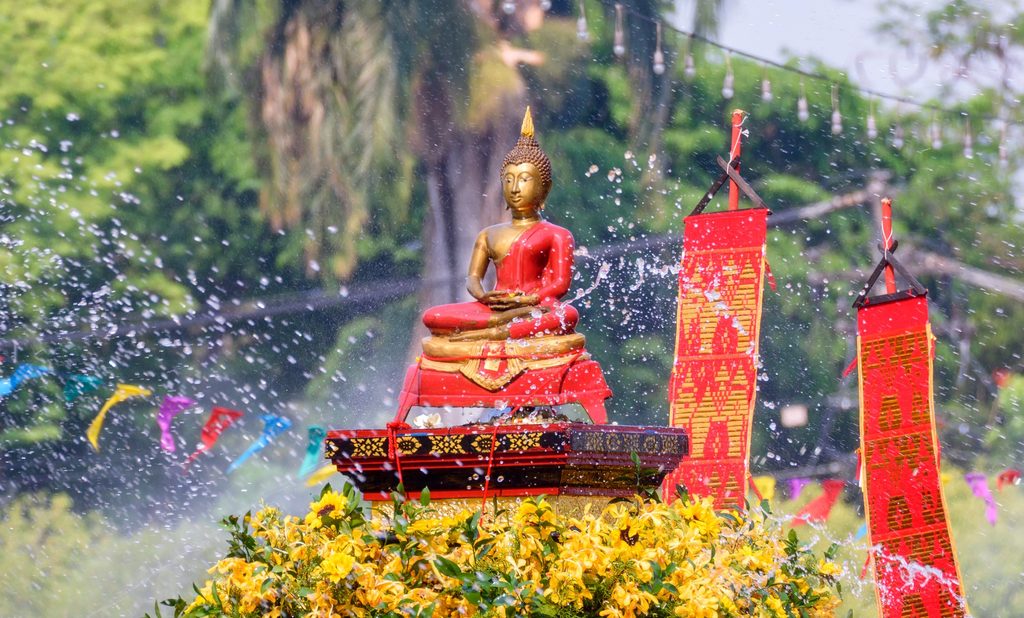
- Pouring scented water over Buddha images
- Showing respect to parents and elders
- Asking for blessings
- Spending time with family
You’ll often see people gently pouring water over Buddha images rather than blasting them with a high-pressure water gun.
That’s an important distinction.
The modern street celebration is fun, but don’t forget that you’re participating in a major cultural and religious holiday.
The Tourism Authority of Thailand describes activities such as bathing Buddha images and traditional merit-making as important parts of Songkran celebrations.
What Should You Wear?
Forget fashion.
Your goal is to survive.
My usual Songkran outfit is:
- Quick-drying T-shirt
- Lightweight shorts or swim-friendly trousers
- Sandals with good grip
- Waterproof phone pouch
- Small waterproof bag
- Sunglasses
- Hat or cap
- Plenty of sunscreen
I’d avoid expensive watches, jewelry and anything you don’t want soaked.
And don’t wear white if you don’t want to spend the afternoon wondering whether your clothes have become slightly more revealing than intended.
If you’re visiting a temple during Songkran, dress respectfully. Shoulder and knee coverage is appropriate for temple visits even though you’ll see plenty of people walking around in beach clothes outside.
Protect Your Phone
This deserves its own section.
A waterproof phone pouch is probably the best few hundred baht you’ll spend during Songkran.
Don’t rely on:
- A plastic sandwich bag
- Your jeans pocket
- A backpack
- “I’ll just be careful”
You won’t be careful.
Someone will appear from behind you with a bucket.
I’ve seen people put their phones inside waterproof pouches and then wear them around their necks. That’s what I’d recommend.
Before leaving the hotel:
Test the pouch.
Put a tissue inside, seal it, and submerge it briefly in water.
If the tissue gets wet, you have just discovered a problem before your iPhone does.
Bring Cash, But Don’t Bring Your Whole Wallet
You will need money for:
- Street food
- Drinks
- Transportation
- Convenience stores
- Water guns
- Small purchases
But carrying your entire wallet through a water fight is unnecessary.
I normally take a small amount of cash in a waterproof pouch.
Bring smaller notes such as:
- ฿20
- ฿50
- ฿100
And leave unnecessary cards and valuables in your hotel safe.
The Biggest Safety Issue: Roads
This is the part I take seriously.
Thailand’s Songkran holiday is associated with a major increase in road travel, and authorities conduct annual road-safety campaigns.
Thailand’s Health Promotion Foundation’s 2026 Songkran campaign specifically emphasized not drinking and driving and not speeding, with road-safety checkpoints and community measures promoted during the holiday.
As a traveler, I’d follow a few simple rules.
Don’t ride a motorbike after drinking.
Actually, I’d go further:
Don’t ride a motorbike at all if you’re inexperienced.
Songkran makes the roads unpredictable. There are pedestrians everywhere, people throwing water at passing vehicles, wet roads and drivers who may have been drinking.
If you’re using a motorcycle:
- Wear a helmet
- Slow down
- Don’t drink and ride
- Avoid riding through the busiest water-fight areas
- Expect pedestrians to step unexpectedly into the road
Tourism Thailand also warns travelers that motorcycles are responsible for numerous accidents and fatalities and advises riders to wear helmets and never drive drunk.
For me, Songkran is one of the worst times to experiment with renting a scooter.
How to Stay Hydrated
This sounds almost ridiculous when you’re surrounded by water.
But the water being thrown at you isn’t drinking water.
And being soaked doesn’t stop you from sweating.
I usually carry a bottle of drinking water and take regular breaks indoors.
A good routine is:
Play → eat → drink water → find shade → play again.
Don’t wait until you’re dizzy or exhausted.
April heat in Thailand can be brutal, and water-fight areas often have very little comfortable shade.
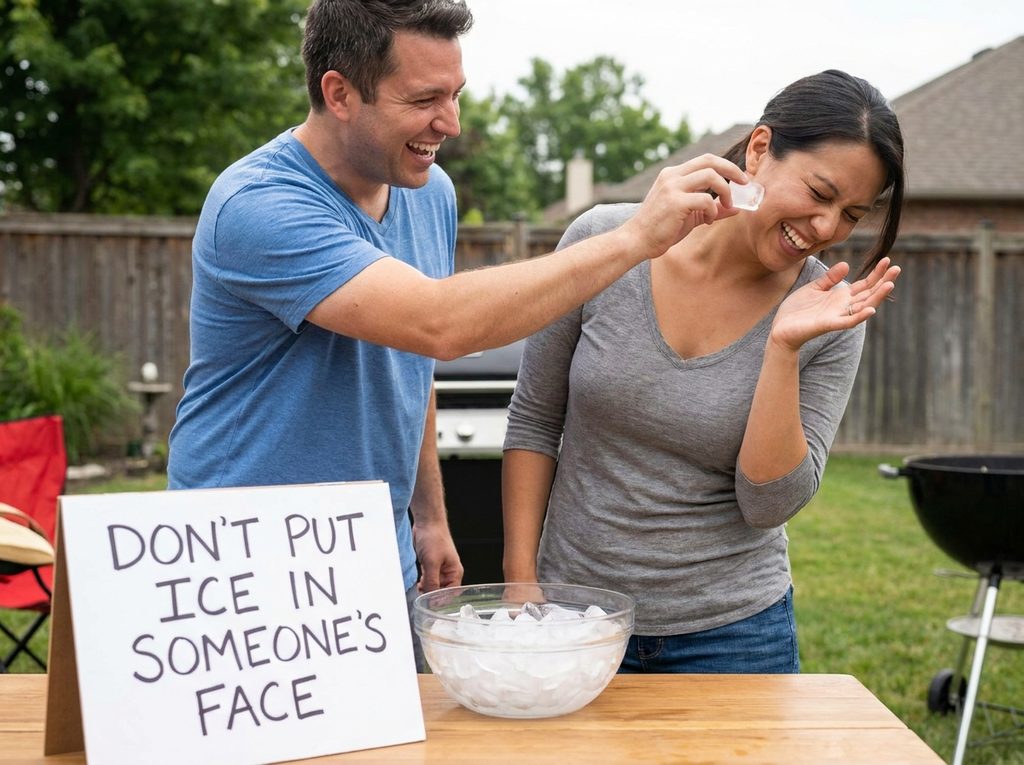
Don’t Put Ice in Someone’s Face
You’ll see people throwing ice-cold water around.
There’s a difference between getting soaked and deliberately hurting someone.
I avoid throwing ice directly at faces, and I don’t use extremely powerful water guns at close range.
Especially around:
- Eyes
- Ears
- Young children
- Elderly people
- Motorcyclists
Songkran works best when everyone understands the basic rule:
We’re here to have fun, not injure each other.
Be Careful With Your Eyes and Ears
Water isn’t always clean.
During crowded street celebrations, the water may come from large containers, hoses or public sources.
I wouldn’t intentionally let unknown water into my mouth.
If you wear contact lenses, consider switching to glasses during the water fight.
A pair of cheap sunglasses is also useful.
They won’t make you invincible, but they’ll protect your eyes from some of the direct blasts.
What About Alcohol?
This is where I personally draw a line.
A beer at the end of the afternoon is one thing.
Drinking heavily while standing in the middle of a dense crowd is another.
You can lose your phone, fall over, get separated from friends or make a bad decision about transportation very quickly.
And absolutely don’t drive after drinking.
Thailand’s official 2026 safety messaging again focused heavily on preventing drunk driving during Songkran.
If you’re drinking, arrange your ride first.
Songkran Scams and Tourist Traps
Most people you’ll meet during Songkran are simply there to have fun.
But the usual tourist problems don’t disappear because everyone is wet.
Be careful with transportation
Agree on a taxi or tuk-tuk price before departing when a meter isn’t being used.
Or use a ride-hailing app where practical.
Don’t carry your passport around unnecessarily
Keep the original securely at your accommodation unless you specifically need it.
Watch your belongings
Crowds are perfect environments for losing things.
I prefer a waterproof waist pouch worn under my shirt or a small secure waterproof bag.
What to Pack for Songkran
Here’s my actual checklist.
Essential
- Waterproof phone pouch
- Small waterproof bag
- Quick-drying clothes
- Comfortable sandals
- Sunscreen
- Sunglasses
- Drinking water
- Cash in small notes
- Power bank in a waterproof bag
- Hotel address saved offline
Nice to have
- Cheap water gun
- Microfiber towel
- Waterproof waist pouch
- Dry shirt for the evening
- Small packet of tissues
Leave at the hotel
- Expensive watch
- Jewelry
- Unnecessary credit cards
- Passport
- Anything electronic that isn’t waterproof
My Ideal Songkran Day
If I were planning a perfect Songkran day in Bangkok, I’d keep it simple.
8:00 AM: Breakfast and coffee.
9:00 AM: Visit a temple or cultural attraction before the serious water fighting begins.
11:00 AM: Return to the hotel, change into quick-drying clothes and protect my phone.
12:00 PM: Lunch.
1:00 PM: Head toward the main celebration area.
1:30–4:30 PM: Water fight, street food, music and people-watching.
4:30 PM: Find somewhere cool and dry.
6:00 PM: Shower and change.
7:00 PM: Dinner.
8:30 PM: Decide whether I actually have the energy for nightlife.
Usually, after several hours of being blasted with water, the answer is “probably not.”
If You Want a More Cultural Songkran
You don’t have to spend the entire festival carrying a giant water gun.
I’d actually recommend combining the modern and traditional sides.
Visit a local temple.
Watch people gently bathe Buddha images.
Make a small donation.
Observe families making merit.
Try traditional food.
Then head to the street celebration later.
The 2026 Maha Songkran program in Bangkok, for example, included traditional activities such as Buddha bathing and sand pagoda building alongside concerts, water zones and contemporary entertainment.
That combination gives you a much better understanding of why Songkran matters to Thai people.
What Songkran Feels Like From the Inside
There comes a point during Songkran when you stop trying to stay dry.
You realize there’s no point.
Your shoes are soaked.
Your hair is dripping.
Your shirt weighs twice what it did that morning.
A stranger points a water gun at you.
You laugh.
Then you fill your own bucket.
That’s the moment I think Songkran becomes special.
The festival can be loud, crowded and occasionally chaotic, but underneath all the water guns is something much warmer: people celebrating the beginning of a new year, families spending time together, strangers laughing together and communities turning ordinary streets into places where almost everyone is invited to participate.
So bring the waterproof phone pouch.
Leave the expensive watch at the hotel.
Drink plenty of water.
Don’t drink and drive.
Respect the temples and local traditions.
And once you’ve taken all the sensible precautions, stop worrying about staying dry.
You’re in Thailand during Songkran.
You’re supposed to get wet.