
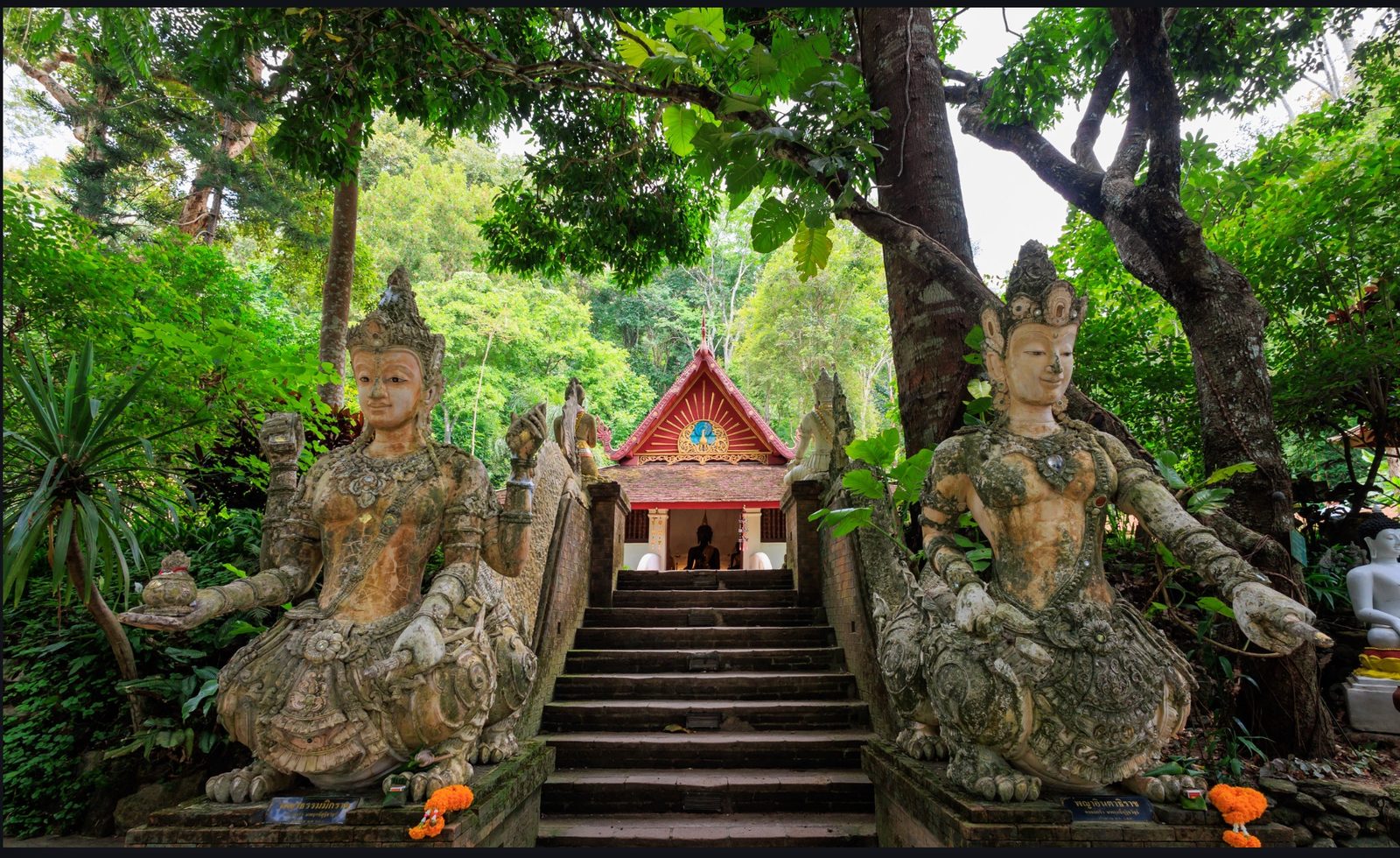
The first time I realized I was spending too much time in Chiang Mai’s tourist bubble, I was sitting in a café near the Old City watching the same three recommendations appear on every travel map: Doi Suthep, the Sunday Walking Street, and the Night Bazaar.
All three are worth visiting. I’m not going to pretend otherwise.
But after several trips around northern Thailand, I’ve found that some of my best Chiang Mai memories happened when I stopped following the obvious route. I’ve eaten lunch beside a reservoir where almost everyone around me was Thai, wandered through ancient ruins with nobody asking me to buy anything, and walked through a forest temple where the loudest sound was water running over rocks.
The interesting thing about Chiang Mai is that you don’t have to travel hundreds of kilometers to find these places. Some are only 15–30 minutes from the Old City.
These are five places I’d choose when I want to see a quieter, more personal side of Chiang Mai.
My 5 Hidden Chiang Mai Places at a Glance
| Place | Approx. from Old City | Entry | Best Time |
|---|---|---|---|
| Wat Pha Lat | 20–30 min | Free | 7:00–9:00 AM |
| Wat Umong | 15–20 min | Free | Morning / late afternoon |
| Wiang Kum Kam | 15–25 min | About ฿10 | 7:00–10:00 AM |
| Baan Kang Wat | 15–20 min | Free | Tue–Sun, 10 AM–6 PM |
| Huay Tung Tao | 25–35 min | Around ฿50 for foreigners | Early morning / late afternoon |
Travel times depend heavily on traffic, especially around the Old City and Nimman area.
1. Wat Pha Lat — The Forest Temple Most People Drive Past
5
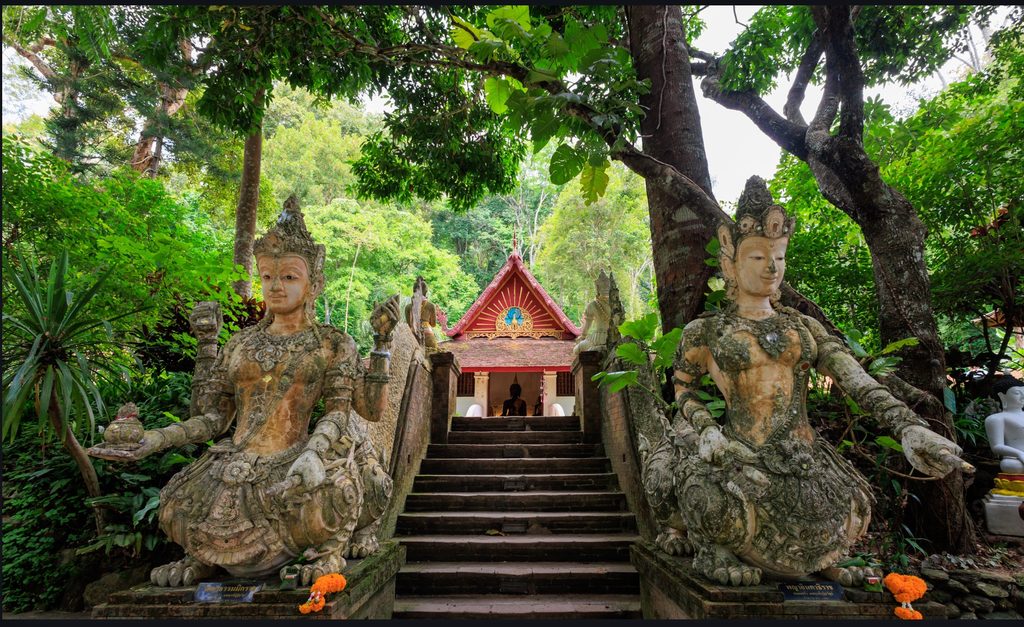
There are more famous temples in Chiang Mai, but Wat Pha Lat is the one I recommend when someone tells me they want to experience somewhere that actually feels hidden.
It sits on the forested slopes of Doi Suthep, below the famous Wat Phra That Doi Suthep. The difference is dramatic. At Doi Suthep, you get tour buses, crowds and photographers. At Wat Pha Lat, you get trees, moss-covered structures, small shrines and the sound of running water.
The temple is reached via the Monk’s Trail, which starts near Chiang Mai University. The hike takes roughly 30–40 minutes from the lower trailhead, depending on your pace. Recent local travel guides describe the trail as one of the easiest ways to escape the city’s noise without committing to a full mountain hike.
I remember reaching the temple one morning with my shirt already damp from the climb. I was expecting another tourist attraction. Instead, I found myself standing beside a small waterfall listening to birds.
That’s the moment I stopped caring about getting the perfect photo.
Practical details
- Entry: Free
- Temple hours: Current business listings show approximately 6:00 AM–5:30 PM daily
- Trail time: Around 30–40 minutes uphill
- Difficulty: Moderate but manageable
- Transport: Grab or songthaew to the Monk’s Trail area
- What to bring: Water, proper walking shoes and mosquito repellent
Wat Pha Lad currently lists daily hours of 6:00 AM–5:30 PM.
My insider tip
Start around 7:00 AM.
The temperature is much kinder, and you’ll have a better chance of enjoying the temple before the small groups arrive.
Wear something that covers your shoulders and knees. This isn’t just a hiking viewpoint; it’s an active Buddhist temple.
2. Wat Umong — Ancient Tunnels Beneath the Forest
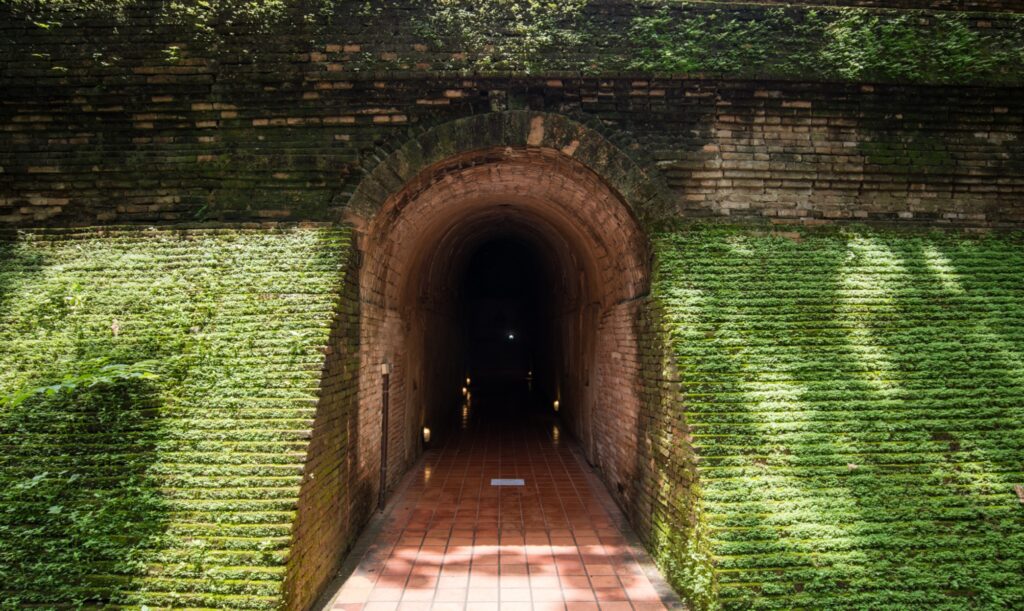
Wat Umong is one of those places where the entrance doesn’t prepare you for what’s inside.
The temple is surrounded by forest, but the main attraction is underneath an ancient mound: a network of brick meditation tunnels containing Buddha images in small alcoves.
The site dates back roughly 700 years, and the forest setting makes it feel completely different from the ornate temples inside Chiang Mai’s Old City.
I like arriving here without a strict plan.
Walk through the tunnels. Come back outside. Follow one of the forest paths. Look at the old chedi. Sit beside the pond for a few minutes.
There are also Dharma sayings and “talking tree” installations around the grounds, which can make the walk surprisingly contemplative.
Practical details
- Entry: Free; donations are welcome
- Current commonly listed hours: 8:00 AM–5:00 PM
- Time needed: Around 1.5–2 hours
- From Old City: Approximately 15–20 minutes by Grab
- Grab: Roughly ฿90–฿130 one way according to recent local estimates
- Dress: Shoulders and knees covered
Current visitor information lists Wat Umong as open daily from 8:00 AM to 5:00 PM with free entry.
There are conflicting listings for longer gate hours, so if you’re planning an unusually early or late visit, I would verify locally rather than relying on an old blog post.
One thing I wouldn’t forget
Bring your phone flashlight.
Some sections of the tunnels are genuinely dark. You don’t need a special torch, but your phone light makes uneven sections much easier to navigate.
And don’t expect a monk-chat session simply because you’ve seen one advertised online. Monk availability varies.
3. Wiang Kum Kam — Chiang Mai’s Forgotten Ancient City
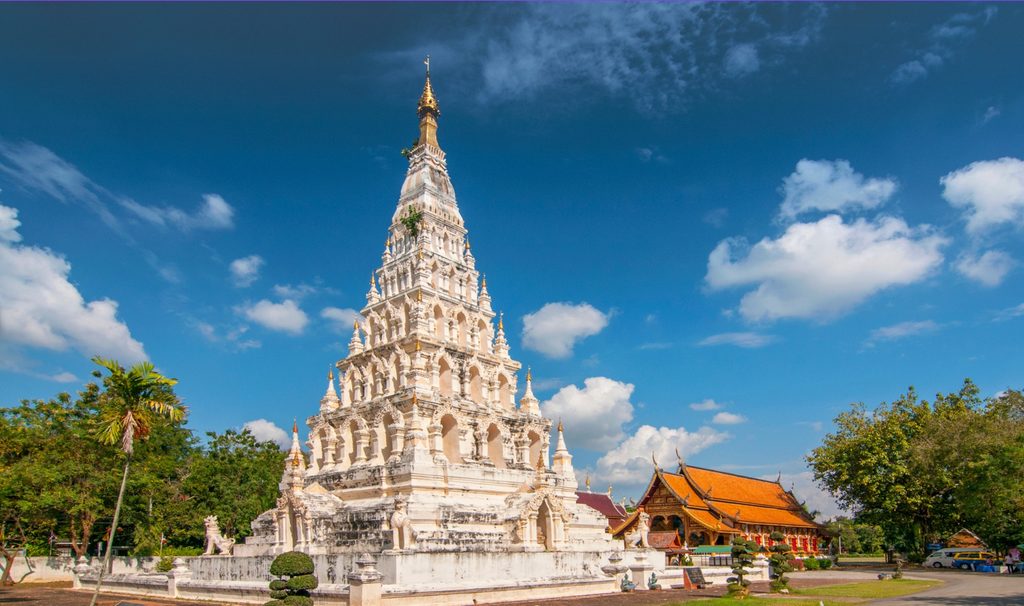
If you’re interested in history, this may be the most rewarding place on the list.
Before Chiang Mai became the major Lanna capital we know today, Wiang Kum Kam served as an earlier center under King Mangrai. The ancient settlement dates back to the late 13th century and covers a surprisingly large area southeast of modern Chiang Mai.
What makes it interesting is that there isn’t one giant monument demanding your attention.
Instead, ancient brick temples and archaeological remains are scattered throughout a quiet neighborhood.
You can drive or cycle between them.
That’s exactly why I like it.
On my ideal visit, I’d rather spend two hours slowly moving between ruins than spend 20 minutes taking photographs of one famous building and rushing away.
Practical details
- Location: Tha Wang Tan, Saraphi District
- From Old City: Roughly 15–25 minutes by car/Grab
- General visitor hours: Official Thai government information lists 7:00 AM–6:00 PM daily
- Entry: Government information lists ฿10 per person
- Horse carriage: Around ฿300 per carriage for two people, approximately 45 minutes
- Tram tours: Available depending on current operations
Thailand’s government tourism portal lists Wiang Kum Kam as open 7:00 AM–6:00 PM, with a ฿10 entrance fee and horse-carriage tours costing about ฿300 for two people.
Some newer visitor listings describe the archaeological area as free, so I would treat the ฿10 figure as a useful budgeting amount rather than assuming every section operates under exactly the same ticket arrangement.
My tip
Go early.
The exposed ruins offer very little shade once the northern sun gets serious.
I’d arrive around 7:30–8:00 AM, explore while it’s cool, then have breakfast somewhere back toward the city.
4. Baan Kang Wat — Chiang Mai’s Small Creative Village

7
Baan Kang Wat is technically no longer a secret.
But compared with Chiang Mai’s major tourist attractions, it still feels refreshingly small.
The name roughly translates to “the village beside the temple,” and the creative community sits in the Suthep area near Wat Ram Poeng.
Instead of one giant attraction, you’ll find a collection of small wooden and concrete buildings housing local artists, ceramic studios, craft shops, galleries, cafés and independent businesses.
It’s the sort of place where I can easily tell myself I’ll stay for 30 minutes and somehow still be there two hours later.
I particularly like it for a slow afternoon.
Buy a coffee. Look at handmade ceramics. Browse a small bookshop. Talk to a maker if they’re working. Don’t rush.
Practical details
- Entry: Free
- Typical hours: 10:00 AM–6:00 PM
- Open: Tuesday–Sunday
- Closed: Monday
- Location: Suthep area, near Wat Ram Poeng
- From Nimman: Roughly 15 minutes by car depending on traffic
Current 2026 listings consistently show Baan Kang Wat operating approximately 10:00 AM–6:00 PM Tuesday through Sunday, with Monday closures.
Important planning tip
Don’t go on Monday.
It sounds obvious, but this is exactly the sort of mistake that happens when you’re following an old travel article.
And if you’re interested in the weekend market atmosphere, check the current schedule before going. The studios and shops have their own rhythms, and not every business operates identically.
5. Huay Tung Tao — The Local Lake Escape
6
If Chiang Mai’s Old City starts feeling like too much sightseeing, I would go to Huay Tung Tao.
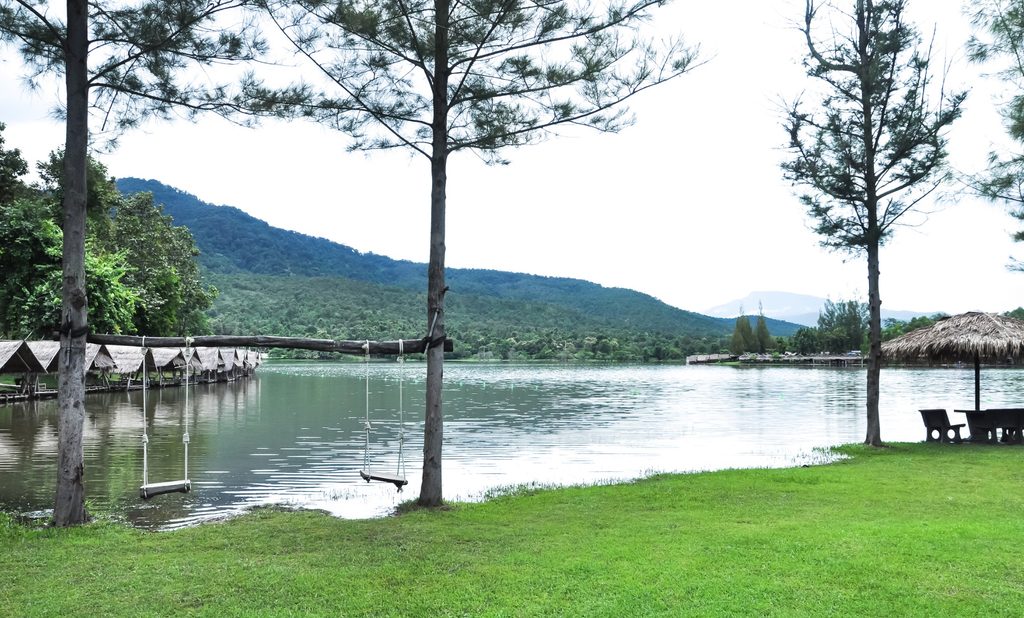
The reservoir is north of the city near Mae Rim, surrounded by mountains and lined with simple bamboo dining huts.
This isn’t the place I go for a major attraction.
I go there to eat.
You can sit in a bamboo hut beside the water, order grilled fish, som tam, sticky rice and cold drinks, and watch the mountains while the afternoon disappears.
That’s a pretty good Chiang Mai day.
The lake is also used for walking, cycling, swimming in designated areas and pedal boats. Recent visitor information lists the site as open daily, with current business listings showing approximately 6:30 AM–5:30 PM.
Entrance pricing is inconsistent across current sources, with several sources listing ฿50 for foreign visitors and ฿20 for Thai residents, while some newer visitor posts mention ฿20 generally. I’d budget ฿50 so you’re not caught short at the gate.
Practical details
- Location: Don Kaeo, Mae Rim
- From central Chiang Mai: Roughly 20–30 minutes by car
- Foreign visitor budget: About ฿50
- Opening: Around 6:30 AM–5:30/6:00 PM depending on current operating area
- Best time: Early morning or around 4:00 PM
- Transport: Grab, rental scooter/car or arranged songthaew
My favorite way to visit
Go around 3:30–4:00 PM.
Find a lakeside hut, order food and stay until the light starts changing.
Weekend afternoons can be busy, so I’d choose a weekday if possible. Local travel sources also recommend weekdays or early arrival when you want a quieter experience.
How I’d Combine These Places
I wouldn’t try to visit all five in one day.
That completely defeats the purpose.
Instead, I’d split them into two relaxed days.
Day One — Forest and Creativity
7:00 AM — Monk’s Trail
8:00 AM — Wat Pha Lat
10:30 AM — Breakfast/coffee
12:00 PM — Lunch
2:00 PM — Baan Kang Wat
4:00 PM — Wat Umong
The last two are close enough to combine, although I’d check Baan Kang Wat’s opening day before setting off.
Day Two — Ancient Ruins and Lake
7:30 AM — Wiang Kum Kam
10:30 AM — Return toward Chiang Mai
12:00 PM — Lunch
2:30 PM — Drive toward Huay Tung Tao
4:00 PM — Lakeside food and relaxation
5:00 PM+ — Watch the changing light before heading back
This is much more my style than trying to squeeze eight attractions into a single day.
A Few Things I Learned the Hard Way
Don’t trust the word “hidden” too literally. Wat Pha Lat and Baan Kang Wat are now well known among independent travelers. The goal isn’t to find somewhere nobody has ever heard of. It’s to find somewhere that feels less crowded than the standard itinerary.
Check opening days. Baan Kang Wat’s Monday closure is particularly easy to miss.
Use Grab for awkward destinations. Chiang Mai’s red songthaews are fantastic, but for a specific destination outside the normal route, I prefer agreeing on the price beforehand or using Grab.
Carry cash. Small attractions, food stalls and local transport aren’t places where I want to discover that my wallet contains nothing but a credit card.
Don’t underestimate the heat. Northern Thailand sounds cooler than Bangkok, but walking around exposed ruins at midday can still be brutal.
Respect the temples. Cover your shoulders and knees, remove shoes where requested, keep your voice down and don’t treat monks or religious objects as photographic props.
Check air quality before mountain trips. Chiang Mai’s burning season can bring serious haze, particularly during the late-winter and early-spring period. A beautiful mountain viewpoint isn’t much fun when the entire horizon has disappeared into smoke.
The Chiang Mai I Remember Most
The famous Chiang Mai attractions deserve their reputation. I’d still tell a first-time visitor to see Doi Suthep, walk through the Old City and experience at least one major market.
But after you’ve done those things, give yourself a day without a checklist.
Walk through Wat Pha Lat while the forest is still cool.
Stand inside Wat Umong’s dim tunnels.
Cycle between the ruins of Wiang Kum Kam.
Buy something handmade at Baan Kang Wat.
Or sit beside Huay Tung Tao with a plate of grilled fish and absolutely nowhere you need to be for the next hour.
Those are the moments that made Chiang Mai feel less like a destination I was visiting and more like a place I was temporarily living in.
And honestly, that’s the version of Chiang Mai I keep coming back for.