
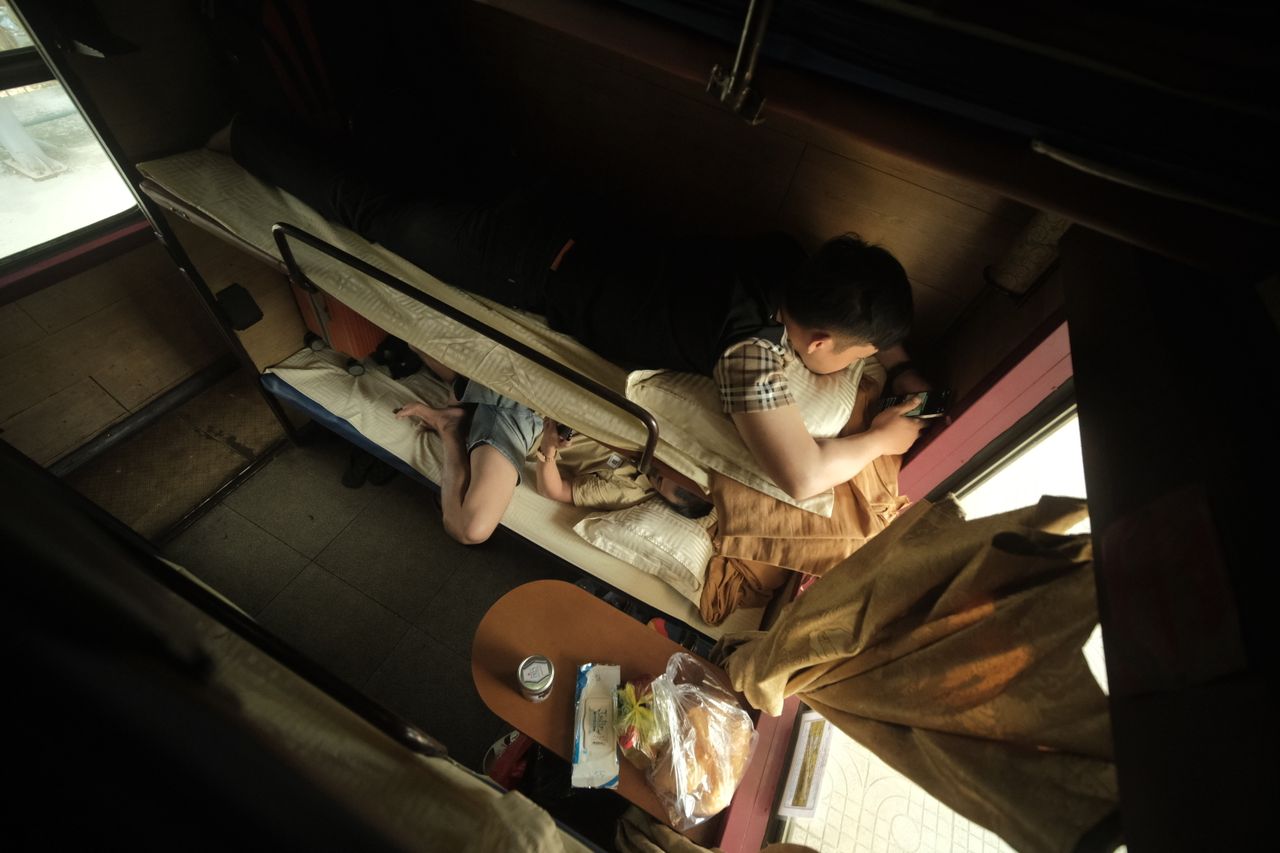
There’s a particular moment on Thailand’s overnight train when Bangkok finally disappears.
The station lights fade behind you, the carriage settles into its nighttime rhythm, and somewhere outside the window the city gives way to darker countryside. I’ve always thought this is one of the nicest ways to travel north—not because it’s the fastest option, but because you actually feel the distance between Bangkok and Chiang Mai.
For first-time visitors, the Bangkok–Chiang Mai sleeper train can look confusing. There are several trains, different sleeper classes, a new central station, online booking rules, and a few small tricks that make a surprisingly big difference.
Here’s how I’d do it.
Bangkok to Chiang Mai Train at a Glance
The current timetable has five direct services between Krung Thep Aphiwat Central Terminal and Chiang Mai each day. The overnight options are particularly useful because you leave Bangkok in the evening and arrive in Chiang Mai the following morning.
| Train | Depart Bangkok | Arrive Chiang Mai | Type |
|---|---|---|---|
| #7 | 7:30 AM | 5:50 PM | Daytime Special Express |
| #109 | 2:15 PM | 4:00 AM | Rapid |
| #9 | 6:40 PM | 7:15 AM | Special Express Sleeper |
| #13 | 8:05 PM | 8:45 AM | Special Express Sleeper |
| #51 | 10:30 PM | 11:40 AM | Express |
For a classic overnight experience, I’d choose Train #9 or Train #13. Train #9 uses the newer CNR sleeper carriages and is currently scheduled to leave at 6:40 PM and reach Chiang Mai at 7:15 AM. Train #13 leaves at 8:05 PM and arrives at 8:45 AM.
The whole journey takes roughly 10½ to 13 hours, depending on which train you choose.
Where Does the Train Leave From?
This catches quite a few first-time travelers.
The main long-distance departure point is now Krung Thep Aphiwat Central Terminal, also known as Bang Sue Grand Station—not the old Bangkok Railway Station at Hua Lamphong.
Northern Line trains to Chiang Mai currently use Platforms 1 and 2 for departures at Krung Thep Aphiwat.
I recommend arriving at least 30–45 minutes before departure. The station is huge, and I’d rather spend half an hour sitting with a coffee than discover that I’m standing at the wrong end of the terminal with a backpack and five minutes remaining.
Getting to Krung Thep Aphiwat
The easiest option for most travelers is the MRT Blue Line.
Get off at Bang Sue MRT Station, which connects to the railway terminal. If you have large luggage, give yourself extra time for the walk through the station.
A taxi or Grab can also work well, especially if you’re traveling with several bags. Just tell the driver Krung Thep Aphiwat Central Terminal rather than simply saying “Bangkok train station.”
Which Sleeper Train Should You Book?

If this were my trip, I’d narrow it down to two choices.
Train #9 — My first choice
Train #9 is the more modern experience. It uses newer CNR sleeper carriages and currently runs from 6:40 PM to 7:15 AM. The train also has a dining car, accessible facilities and a carriage designated for women and young children.
The newer carriages feel cleaner and more hotel-like than the old-fashioned Thai trains many travelers imagine.
For a first Bangkok–Chiang Mai sleeper journey, this is the one I’d pick.
Train #13 — A slightly later alternative
Train #13 leaves at 8:05 PM and reaches Chiang Mai at 8:45 AM. It’s also a Special Express sleeper and can be a good choice if the later departure fits your schedule better.
I particularly like this option if I want to spend more of the afternoon in Bangkok before heading to the station.
Which Sleeper Class Is Worth Paying For?
There are three practical choices to think about: 1st Class A/C Sleeper, 2nd Class A/C Sleeper, and cheaper seat-only options.
For this particular journey, I strongly prefer a sleeper berth.
A normal reclining seat might save money, but Bangkok to Chiang Mai is long enough that sleeping properly makes the arrival day much more enjoyable.
2nd Class A/C Sleeper
This is the sweet spot for most travelers.
You get an air-conditioned carriage and a proper sleeping berth. During the evening, the seats face each other; later, railway staff convert them into upper and lower beds.
If you’re traveling alone, this is the option I’d usually choose.
You get the experience without paying 1st Class prices.
1st Class A/C Sleeper
First Class gives you a more private arrangement and is worth considering if privacy matters to you.
The catch is availability. First Class berths are limited, and popular dates can disappear quickly.
If you’re traveling as a couple and want more privacy, I’d check First Class first. If the price or availability doesn’t work, 2nd Class A/C is still an excellent choice.
2nd Class Fan or ordinary seats
Yes, they’re cheaper.
No, they wouldn’t be my choice for this journey.
I’ve done long train rides where saving money was part of the fun, but on an overnight journey this long, I’d rather spend the extra money on a bed and arrive in Chiang Mai functioning like a human being.
How Much Does the Bangkok–Chiang Mai Sleeper Cost?
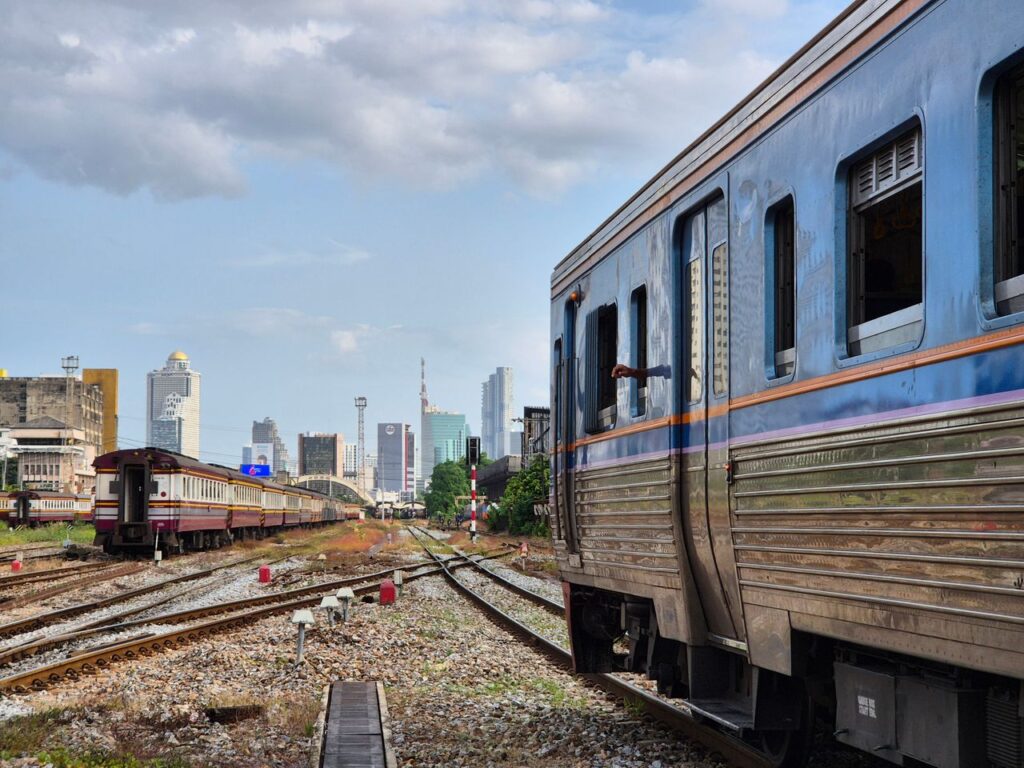
The exact fare depends on the train, carriage and berth type, so I wouldn’t rely on an old blog post quoting one fixed price.
As a general guide, 2nd Class A/C sleepers are usually around the mid-hundreds to roughly 1,000+ THB, while First Class is considerably more. Online agencies may charge additional booking fees.
Thai train tickets can also cost more when purchased online than at a station. Current route information shows online tickets can be roughly 50–100 THB more expensive than station purchases on comparable long-distance services.
For me, that extra money is reasonable if online booking guarantees the exact sleeper and departure I want.
How to Book the Sleeper Train
This is the part I wouldn’t leave until the last minute.
Thailand’s long-distance trains can be booked up to 180 days ahead under the current advance-booking rules, although the exact advance window depends on the journey length and ticketing conditions.
The official State Railway of Thailand provides its online ticketing system and timetable information.
My booking strategy
I’d do this:
- Search Krung Thep Aphiwat → Chiang Mai
- Select your travel date
- Look specifically for Train #9 or #13
- Choose 2nd Class A/C Sleeper if you want the best balance
- Choose lower berth if available
- Complete the online payment
- Save the electronic ticket on your phone
- Keep your passport available for the journey
For weekends, holidays and peak tourist periods, book as early as possible. The popular 1st and 2nd Class sleeper berths are the ones most likely to disappear first.
Lower Berth or Upper Berth?
I prefer the lower berth.
It costs more, but you get more space, it’s easier to climb into, and you don’t have to negotiate a ladder every time you need to use the bathroom.
The upper berth has its advantages, too. It feels more private and usually gives you a quieter little sleeping space.
If you’re tall or don’t sleep well in confined spaces, I’d definitely try for a lower berth.
One important detail: don’t assume you can simply choose any berth number you want. Availability and the booking system determine what you can select.
What the Overnight Experience Is Actually Like
The evening usually starts with people settling into their seats, storing luggage and figuring out where everything is.
Then comes the interesting part.
Railway staff convert the seats into beds, with curtains creating some privacy. Once everyone has settled down, the carriage becomes surprisingly quiet.
I usually keep my valuables close, put my backpack somewhere secure, and avoid unpacking everything. A small day bag with your passport, phone, charger, water and headphones is much easier than opening your entire suitcase beside the berth.
The air conditioning can also feel surprisingly cold.
I’d bring a lightweight hoodie or jacket even if Bangkok is unbearably hot when you board.
Food and Drinks on the Train
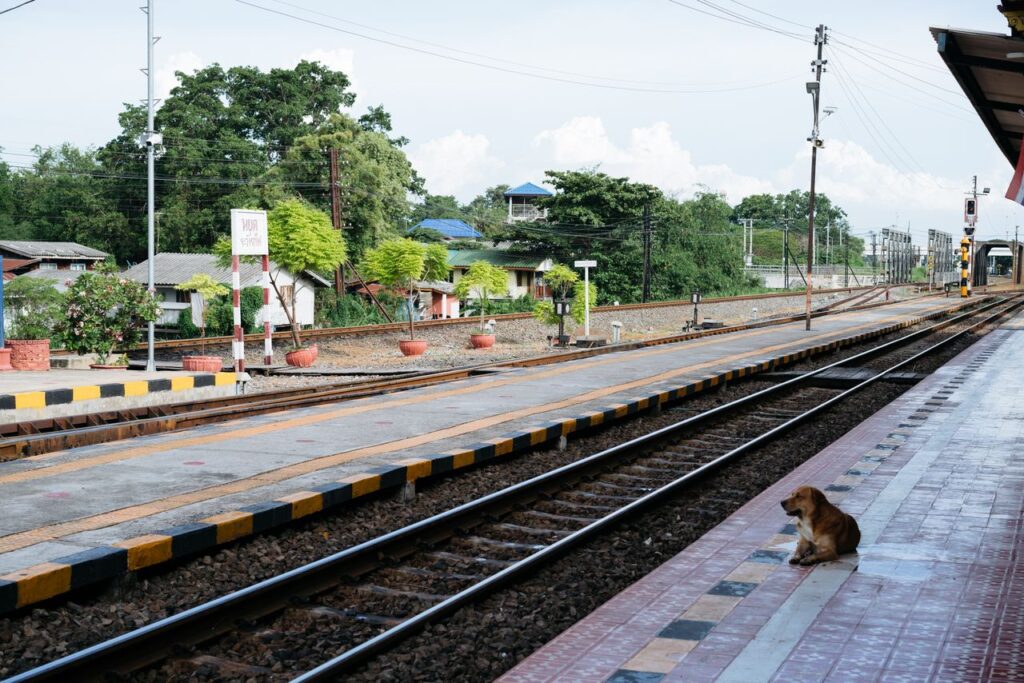
There is a dining car on Train #9, but I still prefer bringing a few snacks and a bottle of water.
Don’t arrive at the station completely empty-handed.
A simple combination works:
- Water
- Fruit
- Crackers or biscuits
- Sandwich
- Coffee or tea
- Something salty for late-night hunger
You can also buy food before boarding around the station.
The important thing is not to bring an enormous feast. Your berth is not a dining room, and nobody wants to sleep next to someone’s leaking curry container.
What to Pack for the Night
My overnight-train packing list is deliberately small.
Keep beside your berth:
- Passport
- Phone
- Power bank
- Charging cable
- Water
- Earplugs
- Headphones
- Eye mask
- Light jacket
- Toothbrush and basic toiletries
- Tissues or wet wipes
I also keep some cash in Thai baht.
Don’t put your passport, wallet or phone deep inside your large luggage. Once the bed is made, getting to your suitcase can be awkward.
What Happens When You Wake Up?
This is one of my favorite parts.
The train begins waking up before Chiang Mai.
The landscape changes, the air feels different, and if you’re awake early enough, you can watch northern Thailand pass outside the window.
The final stretch is much more interesting than I expected the first time. The journey isn’t simply a dark night followed by suddenly arriving in Chiang Mai.
That’s part of why I prefer the train over flying when I have enough time.
You don’t just teleport from one city to another. You actually watch Thailand change.
Train #9’s scheduled arrival is 7:15 AM, while Train #13 arrives at 8:45 AM.
Arriving at Chiang Mai Railway Station
Chiang Mai Railway Station is east of the Old City.
When you step outside, you’ll find taxis, songthaews and other local transport options waiting nearby.
Don’t expect the same MRT-style convenience you have in Bangkok. Chiang Mai is much more road-based.
If your hotel is inside or around the Old City, arrange transportation before you arrive or use a reputable ride-hailing option if available.
One advantage of arriving around 7:15 AM is that you have almost a full day ahead of you.
The downside?
Your hotel room may not be ready yet.
That’s why I usually arrange early luggage storage with the hotel beforehand. Drop the bags, grab breakfast, shower if the hotel allows it, and start exploring.
Sleeper Train vs Flying to Chiang Mai
For pure speed, flying wins.
But speed isn’t the only reason I travel.
Choose the sleeper train if you:
- Want to save a hotel night
- Enjoy slow travel
- Want a memorable Thailand experience
- Don’t mind spending 10–13 hours in transit
- Prefer arriving in the morning
- Want to see the countryside
Choose a flight if you:
- Have very limited time
- Hate sleeping on trains
- Need maximum efficiency
- Are traveling for business
- Don’t enjoy overnight travel
For me, the train wins whenever I have enough time in my itinerary.
Mistakes I Wouldn’t Repeat
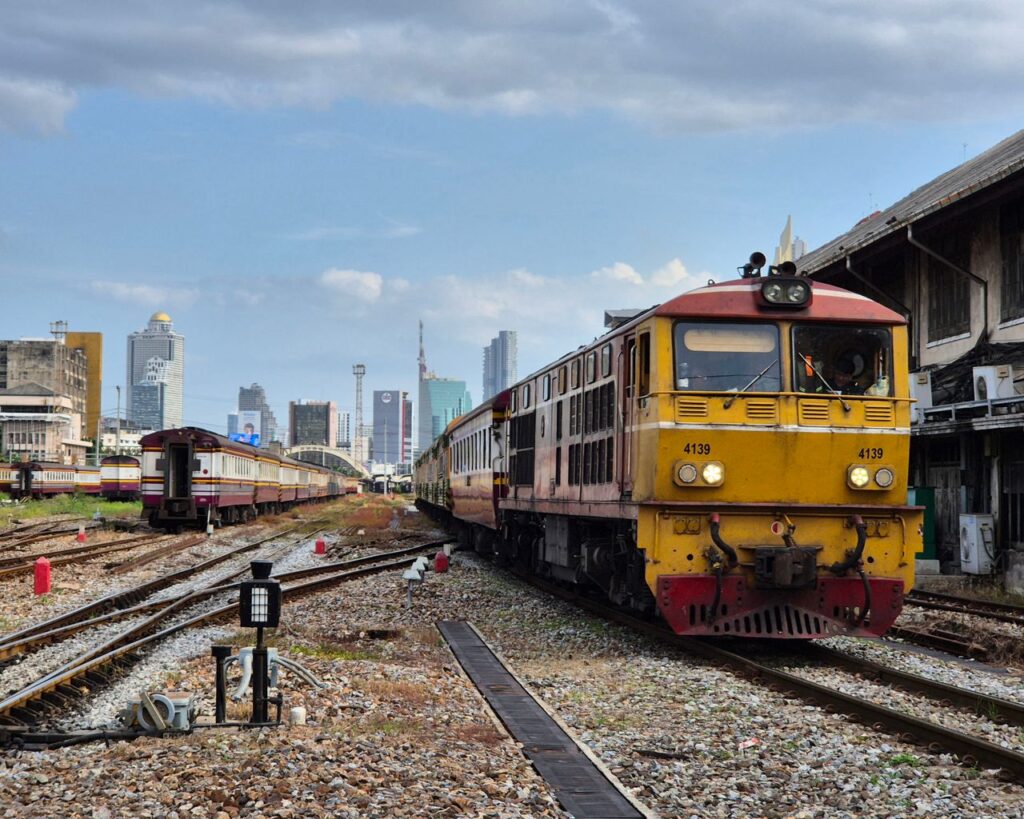
Don’t book too late. Popular sleeper berths can sell out well before departure, particularly on busy dates.
Don’t go to Hua Lamphong by mistake. Check that your ticket says Krung Thep Aphiwat Central Terminal.
Don’t assume Bangkok’s heat means you won’t need warm clothing. The A/C carriage can be cold overnight.
Don’t put everything in your large luggage. Keep essentials beside your berth.
Don’t schedule an important activity immediately after arrival. Trains can run late. Give yourself some flexibility on your first Chiang Mai morning.
And most importantly, don’t treat the train simply as cheap transportation.
Sit by the window when you can. Listen to the rhythm of the tracks. Wake up early enough to watch northern Thailand appear outside.
That’s the part you don’t get on a one-hour flight.
My Pick
If I were booking the journey today, I’d choose Train #9, 2nd Class A/C Sleeper, lower berth, and book as early as the ticket window allows.
I’d arrive at Krung Thep Aphiwat about 45 minutes before departure, buy a few snacks and water, keep my valuables in a small bag beside the berth, and bring a light jacket for the air conditioning.
Then I’d let Bangkok disappear into the darkness.
By the time the train rolls into Chiang Mai the next morning, you’ve saved a hotel night, crossed a huge section of Thailand while sleeping, and experienced one of the country’s most memorable journeys without ever stepping onto an airplane.
For me, that’s the real appeal of the Bangkok–Chiang Mai sleeper train. The destination is Chiang Mai, but the journey itself is part of the trip.