
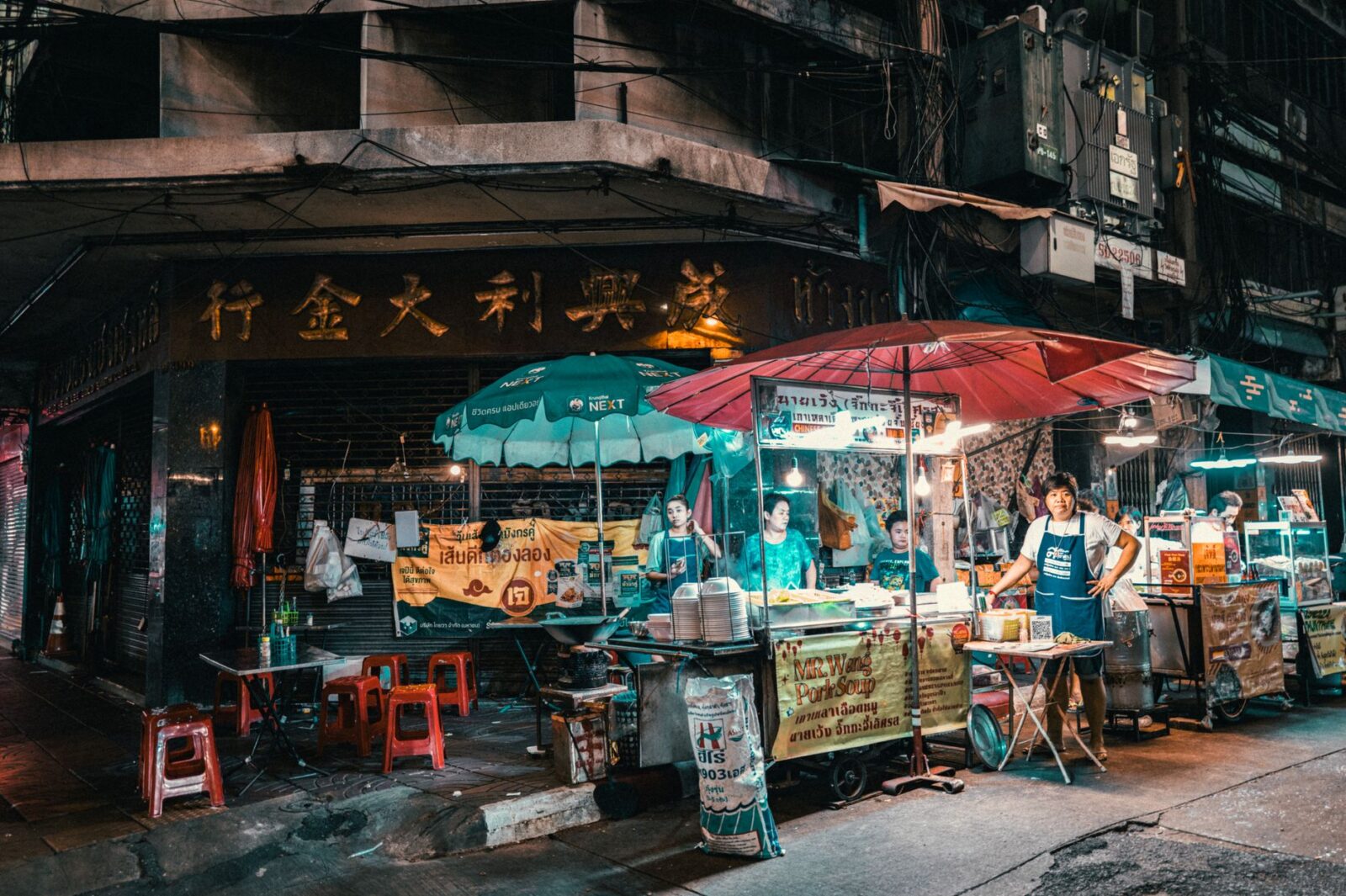
The first time I wandered into a Thai night market, I planned to buy one mango sticky rice and leave like a sensible adult. Three hours later, I was carrying a paper bag of grilled squid, a shirt I absolutely did not need, a mystery snack wrapped in banana leaf, and a very questionable amount of enthusiasm for haggling over a pair of sunglasses. That’s the thing about Thai night markets: they are less “shopping stop” and more full-contact cultural experience, with food smoke in the air, music from a nearby stall, and enough temptation to blow your budget before you even realize it.
If you’re planning to explore Thailand, understanding Thai night market culture is almost as useful as learning how to order a Thai iced tea. The markets are where everyday life and tourist life overlap in the best possible way. You’ll eat, shop, people-watch, and probably overcommit to snacks. But there’s also an unwritten code here—how to haggle without being rude, when to pay full price, how to avoid rookie mistakes, and which markets are actually worth your time.
What Thai Night Markets Are Really Like
Night markets in Thailand are not all the same, and that’s part of the fun. Some are polished and visitor-friendly, with rows of trendy food stalls, live music, and craft vendors. Others are more local, scrappier, and less English-friendly, which usually means better prices and more atmosphere.
What they all tend to share:
- Food first, shopping second: grilled skewers, seafood, pad kra pao, fruit shakes, curries, desserts, and fried things you didn’t know you wanted
- Clothes, accessories, souvenirs, and phone cases: often mass-produced, sometimes handmade, occasionally both
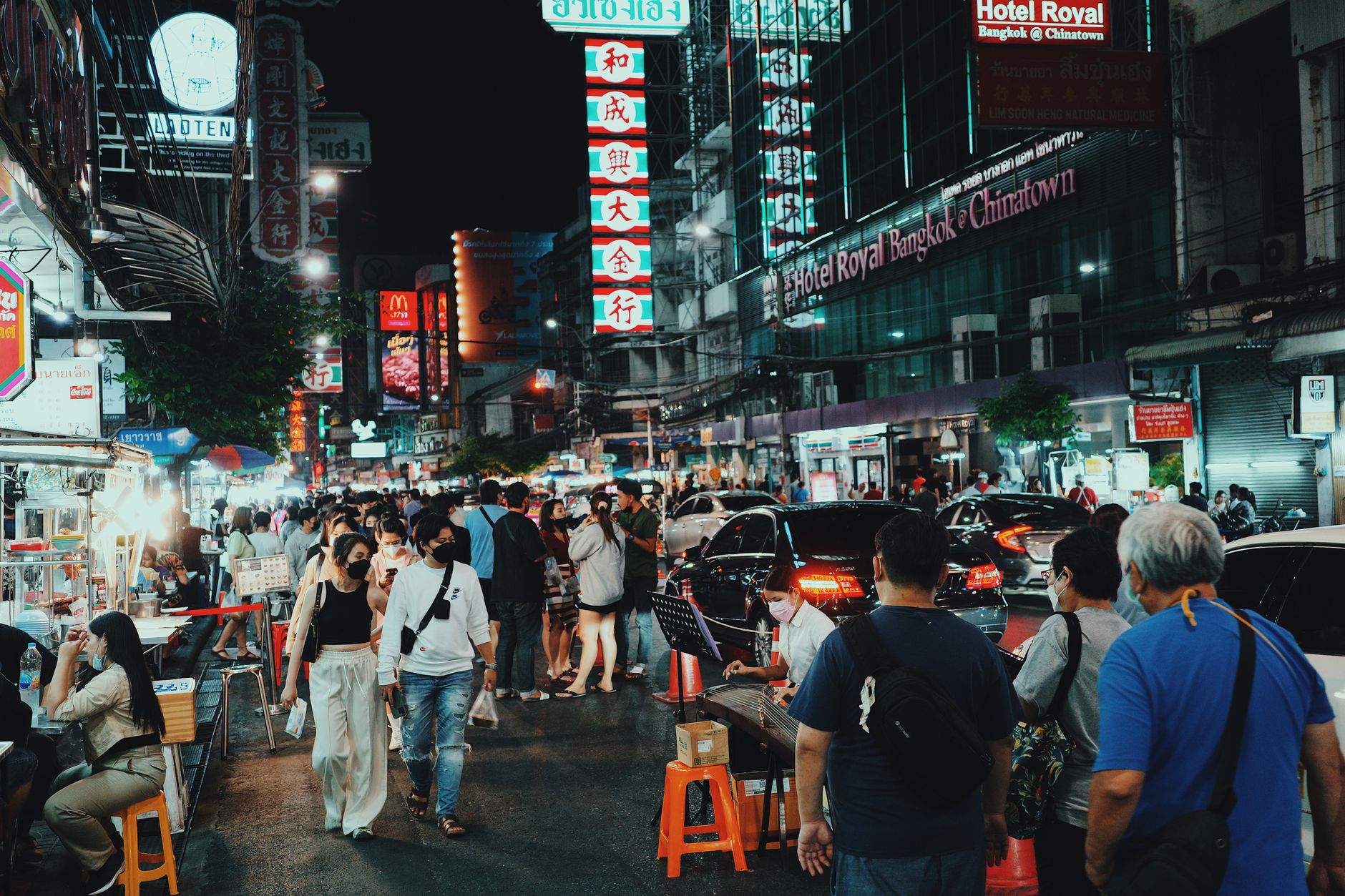
- A social vibe: families, students, office workers, tourists, and vendors all mixing together
- Late opening hours: many markets start around 4:00 PM–6:00 PM and run until around 10:00 PM–midnight, though it varies by location and day
I’ve found the best markets are the ones where locals still come to eat after work. If the only people there are photo-taking tourists, it’s still enjoyable—but usually pricier and a bit less authentic.
How Haggling Works in Thailand
Haggling in Thai night markets is real, but it’s not a street fight. Think of it as a polite negotiation, not a dramatic showdown. Some stalls have fixed prices, and some vendors will happily bargain if you buy more than one item.
When to haggle
You’ll have more luck haggling on:
- Clothing
- Bags
- Souvenirs
- Shoes
- Sunglasses
- Mass-produced accessories
You usually should not haggle much on:
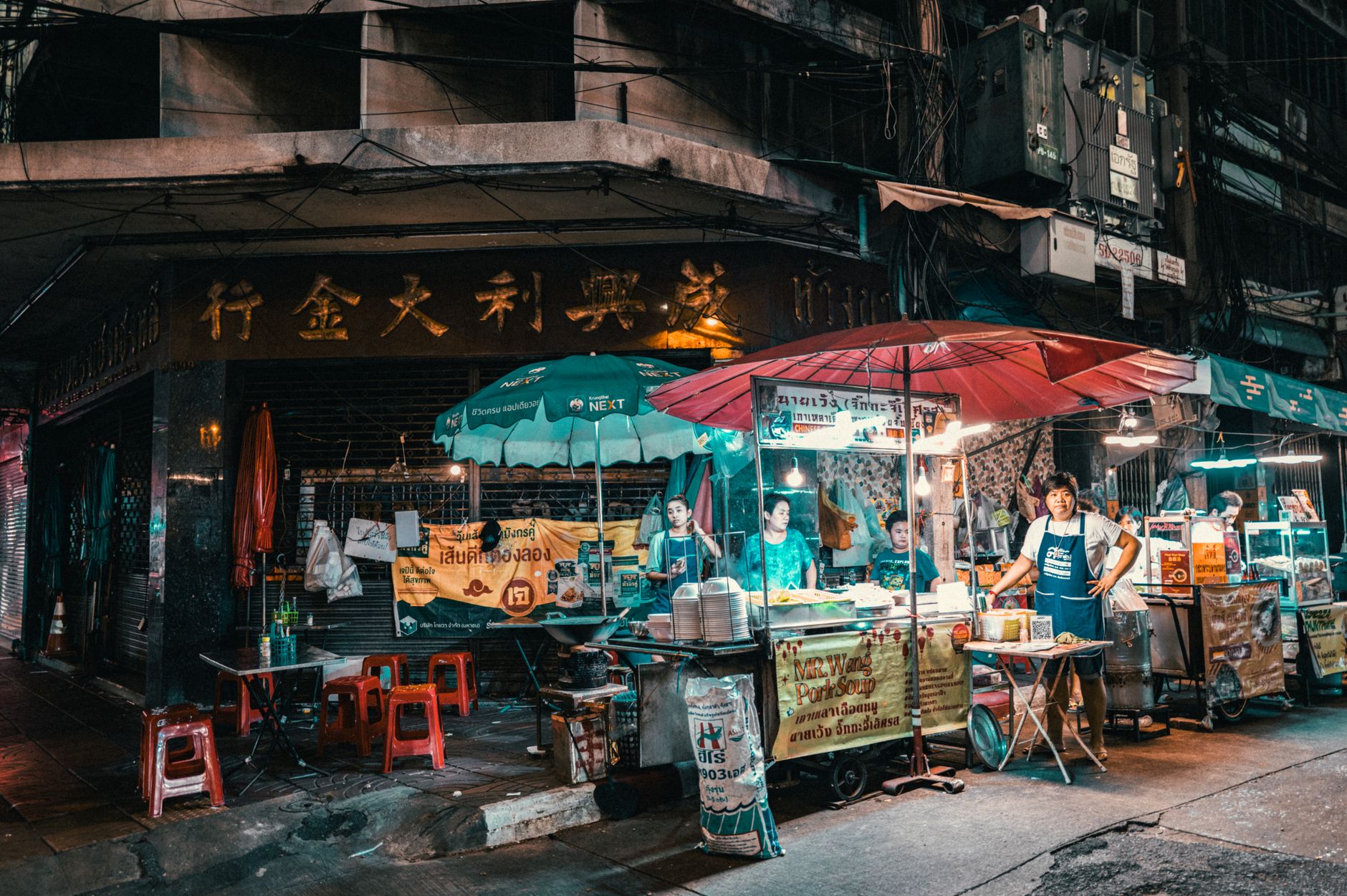
- Food
- Drinks
- Items with clearly marked fixed prices
- Handmade pieces where the price is already fair
- Small purchases where the difference is only a few baht
Honestly, if something costs 50 THB, haggling over 5 or 10 baht makes you look stingy rather than smart.
My usual haggling approach
I keep it friendly and light. A smile helps more than hard bargaining ever will.
A typical exchange might go like this:
- Ask the price
- If it seems high, make a reasonable counteroffer
- Buy two or three items if you want a better deal
- Stay cheerful and be willing to walk away
A phrase that comes in handy:
- “Lot dai mai?” = Can you lower it?
If the vendor says no, I don’t push it. There are dozens of other stalls, and Thailand rewards people who don’t act like every item is a life-or-death negotiation.
A few haggling rules I’ve learned the hard way
- Don’t start bargaining unless you’re actually interested in buying
- Don’t get aggressive or mock the price
- Don’t demand “local price” unless you really know what that means
- If you agree on a price, pay promptly and say thank you
- If you’re buying multiple items, ask for a bundle price rather than haggling item by item
Night Market Etiquette: What to Do and What Not to Do
Thai night markets are casual, but that doesn’t mean anything goes. A little awareness goes a long way.
Do
- Carry small bills and coins. Vendors often prefer exact change. A stack of 20 THB, 50 THB, and 100 THB notes makes life easier.
- Be patient in food queues. Some stalls move fast, but the popular ones can get crowded.
- Point politely or ask before touching items. Especially with food and handmade goods.
- Smile and stay calm. This really matters in Thailand.
- Use your right hand for paying if you want to be extra respectful, especially in more traditional settings.
- Check what you’re buying before handing over money, especially for clothing sizes and electronics.
Don’t
- Don’t block a stall while deciding what to order
- Don’t start eating before you’ve paid
- Don’t take photos of vendors or their food without asking if they seem private about it
- Don’t assume every item is authentic or locally made
- Don’t point your feet at people while sitting in a crowded food area
- Don’t touch people’s heads, even jokingly
One small but important habit: I always watch how locals behave. If everyone is queuing quietly and paying exact change, I follow that lead.
What I Actually Buy at Thai Night Markets
The food is the main event for me. Shopping comes second, unless I spot a really good shirt or some handmade ceramics. My default night market order usually includes some combination of:
- Moo ping — grilled pork skewers, usually 10–25 THB each depending on location
- Pad Thai — often around 50–100 THB
- Mango sticky rice — typically 60–120 THB
- Thai iced tea — around 25–60 THB
- Fresh fruit smoothies — usually 40–80 THB
- Seafood plates — widely variable, but prices rise quickly in tourist-heavy markets
The exact price depends on the city, the market, and whether you’re standing next to a BTS station or in a more local neighborhood. Food in Bangkok’s trendier markets tends to cost more than in smaller provincial towns, but even then, it’s still usually good value.
Top Thai Night Markets Worth Visiting
There are plenty of night markets across Thailand, but these are some of the most popular and useful ones for travelers.
1. Jodd Fairs, Bangkok
Jodd Fairs has become one of the most talked-about night market experiences in Bangkok. It’s cleaner and more curated than many older markets, but it’s still a good place to sample loads of food in one go. Expect crowds, trendy snacks, and lots of photo-friendly dishes.
Best for: food, casual shopping, first-time visitors
Opening hours: generally around 4:00 PM–midnight, but check ahead because market hours can change
Getting there: usually easiest by MRT or taxi/Grab depending on the current location and your starting point
Tip: Go early if you hate jostling through crowds
2. Chatuchak Weekend Market, Bangkok
Strictly speaking, Chatuchak is more famous as a weekend market, but it deserves a spot here because the evening atmosphere and food section are part of the full experience. It’s huge, chaotic, and easy to get lost in, which I actually mean as a compliment.
Best for: shopping, street food, bargain hunting
Opening hours: mainly weekends, with many stalls open during daylight and some into the evening depending on the section
Getting there: BTS Mo Chit, MRT Chatuchak Park or MRT Kamphaeng Phet
Tip: Wear comfortable shoes and bring water. This place is not built for fragile feet
3. Train Night Market Srinakarin, Bangkok
This is one of my favorites when I want a more sprawling, slightly quirky night market experience. It has vintage stalls, bars, plenty of food, and a more local feel than many central Bangkok options.
Best for: atmosphere, retro shopping, socializing
Opening hours: typically late afternoon to midnight, often Thursday–Sunday, but always check before going
Getting there: easiest by Grab or taxi; public transport is less straightforward
Tip: It’s better on a night when you have time to wander slowly
4. Chiang Mai Night Bazaar
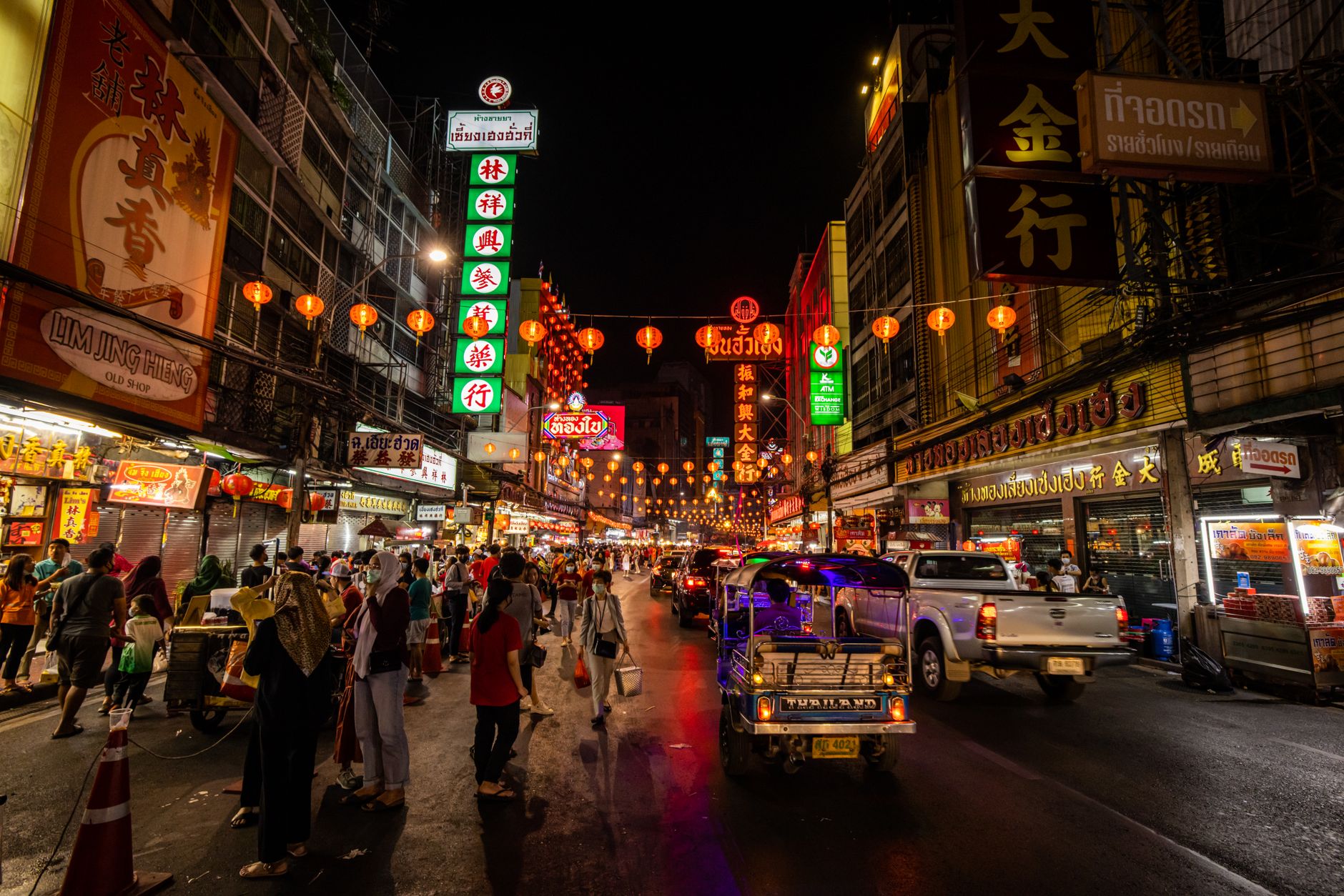
Chiang Mai’s Night Bazaar is one of the classic northern Thailand night market experiences. It’s tourist-friendly, but it still has a good rhythm: food, souvenirs, handicrafts, and enough energy to keep you lingering. Chiang Mai is also one of the easiest places to browse without Bangkok-level crowds.
Best for: crafts, souvenirs, casual strolling
Opening hours: generally every evening, roughly 6:00 PM onward
Getting there: easy by songthaew, taxi, or Grab from the Old City
Tip: If you want a more local feel, combine it with smaller neighborhood markets too
5. Phuket Weekend Market (Naka Market)
If you’re in Phuket and want a proper night market, Naka Market is a common stop. It’s a mix of food, clothes, random souvenirs, and the kind of browsing that can eat an entire evening.
Best for: food, souvenir shopping, energetic weekend browsing
Opening hours: usually weekends, with evening hours only; check locally before heading out
Getting there: taxi, Grab, or scooter if you’re confident on Phuket roads
Tip: Don’t arrive starving and expect to move efficiently. You won’t.
6. Rot Fai Market, Bangkok
Rot Fai markets have long been a favorite for secondhand goods, vintage finds, and plenty of eating. Depending on which branch you visit, the vibe can range from rugged and cool to more polished and tourist-heavy.
Best for: vintage, retro items, nightlife atmosphere
Opening hours: commonly evenings, often several days per week depending on location
Getting there: usually easiest by MRT, BTS, or taxi/Grab depending on branch
Tip: Great if you like browsing more than power-shopping
Getting There Without Losing Your Mind
Transportation matters because some night markets are easy from the train, while others are best reached by taxi or Grab.
| Market | Best Transport | Notes |
|---|---|---|
| Jodd Fairs | MRT, taxi, Grab | Check the current location before going |
| Chatuchak Weekend Market | BTS Mo Chit, MRT Chatuchak Park/Kamphaeng Phet | Very easy to reach by rail |
| Train Night Market Srinakarin | Taxi, Grab | Public transport is less convenient |
| Chiang Mai Night Bazaar | Songthaew, taxi, Grab | Short ride from the Old City |
| Phuket Weekend Market | Taxi, Grab, scooter | Traffic can be slow |
| Rot Fai Market | MRT/BTS or taxi depending on branch | Verify the branch and route |
A few transport tips:
- Grab is often the easiest option if you’re heading back late at night
- Taxis are fine, but insist on the meter in Bangkok
- For BTS/MRT, check the last train time if you plan to stay late
- If you drive yourself, parking can be a headache at popular markets, especially on weekends
Best Time to Visit a Thai Night Market
I prefer arriving around 6:00 PM–7:00 PM. That’s usually late enough for stalls to be fully open but early enough to avoid the worst of the crowds. If you get there too early, some food stalls are still setting up. Too late, and the best items may already be sold out.
Timing by traveler style
- For food lovers: arrive early to beat the queues
- For photographers: go just after sunset for better light
- For bargain hunters: later in the evening may work better, especially if vendors want to clear stock
- For crowd-avoidance: weekday evenings are usually calmer than weekends
Weather matters too. Thailand’s heat can be brutal even after dark, and rainy season showers can turn an easy evening into a wet, slippery shuffle. I always check the forecast and carry a tiny umbrella if it’s monsoon season.
Common Mistakes I See Tourists Make
I’ve made a few of these myself, so no judgment.
- Arriving hungry and impatient: that leads to poor decisions and five snacks you don’t remember ordering
- Assuming all stalls take cards: cash is still king at many markets
- Buying souvenirs at the first stall: prices often vary a lot
- Over-haggling small items: not worth the awkwardness
- Ignoring food lines: if locals are queuing, the food is probably good
- Forgetting to check opening days: some night markets only operate on certain nights
- Leaving too late without a ride plan: getting a taxi after midnight can be annoying
Safety, Scams, and Smart Street Food Habits
Thai night markets are generally safe, but crowded places are always easier for pickpockets and casual scams.
Stay smart by doing this:
- Keep your phone zipped away when not in use
- Hold your bag in front of you in dense crowds
- Watch for change when paying
- Avoid buying overly expensive “brand” goods that seem too cheap to be real
- Choose food stalls with high turnover and visible cooking
- Drink bottled water if you’re sensitive to local water or ice quality
Street food in Thailand is one of the great pleasures of travel, and I almost always eat it. I just use the same common sense I’d use anywhere: busy stall, fresh ingredients, clean prep area, and food cooked hot in front of me.
My Final Night Market Advice
If you want to understand Thai night market culture, don’t treat it like a checklist. Stay a little longer than you planned. Order the extra skewer. Watch how the vendors chat with each other when business slows down. Try something unfamiliar, even if you can’t pronounce it. That’s where the best travel memories usually hide.
For me, Thai night markets are one of the easiest ways to feel the country at street level: noisy, generous, practical, and a little chaotic in the best possible way. You can haggle a bit, eat too much, and still leave feeling like you’ve spent your evening exactly right.