
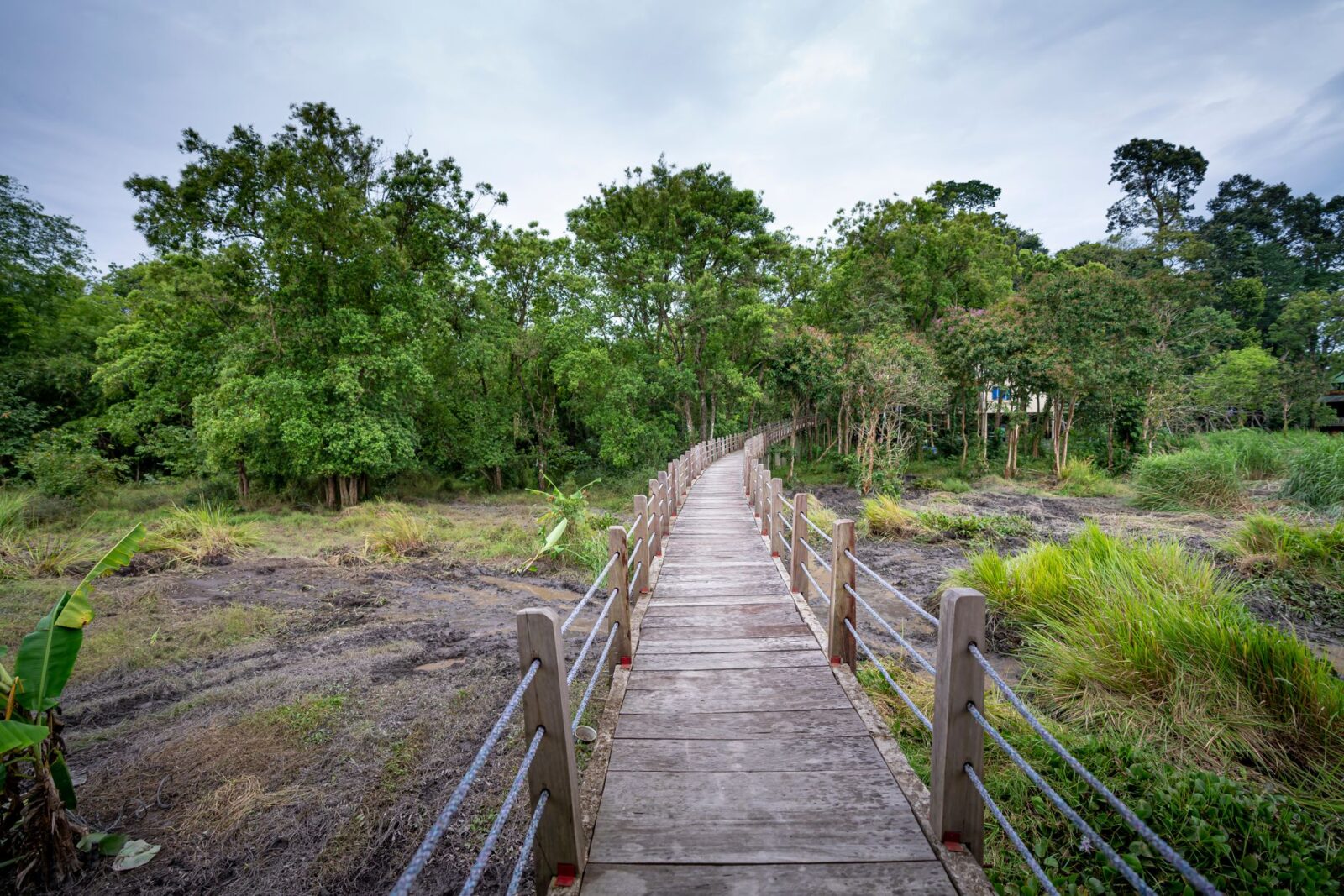
The first time I drove up to Khao Yai National Park from Bangkok, I remember thinking, this is going to be one of those easy weekend escapes that turns into a proper adventure. I was right. Within a few hours, the air felt cooler, the roads got greener, and the noise of the city dropped away fast enough to make my shoulders relax. Khao Yai is one of those places that’s close enough for a spontaneous trip, but wild enough to still feel like you’ve really gone somewhere.
I’ve been back more than once, and each visit has had the same effect: a mix of jungle heat, misty mornings, loud hornbills overhead, and just enough unpredictability to keep things interesting. If you’re planning a visit, this guide covers the practical stuff I wish I’d known before my first trip, plus the bits that actually matter when you’re standing at the park gate trying to figure out what to do next.
Why Khao Yai National Park is worth the trip
Khao Yai is Thailand’s first national park and one of the easiest places to experience real forest, waterfalls, wildlife, and mountain scenery without needing a full expedition setup. It’s especially popular with Bangkok-based travelers because you can get there in a few hours, stay one or two nights, and still feel like you’ve had a proper reset.
What makes it stand out isn’t just the scenery. It’s the variety.
One minute you’re looking at a dramatic waterfall; the next you’re scanning the treetops for gibbons or hornbills. I’ve seen deer near the roadside, heard eerie animal calls after dark, and walked trails where the only sounds were cicadas and my own slightly dramatic breathing. Khao Yai gives you that “I’m in Thailand, but not the Thailand of traffic and noodle stalls” feeling.
Getting to Khao Yai National Park
Khao Yai sits roughly 2.5 to 4 hours from Bangkok depending on where you start, traffic, and whether you’re heading to the north or south side of the park area. The national park itself spans several provinces, but most visitors use Pak Chong in Nakhon Ratchasima as their base.
By car or private transfer
This is the simplest option, especially if you want to explore multiple spots around the park.
- From Bangkok: about 160–190 km, depending on your route
- Driving time: usually 2.5–3.5 hours
- Tolls: expect highway tolls if you use the main express routes
I’ve done this drive both with friends and solo in a rental car, and it’s straightforward enough if you’re comfortable driving in Thailand. Roads are generally good, and having your own car is a huge advantage because many of the best viewpoints, trails, and waterfalls are spread out.
By train
If you want a slower, more local-feeling trip, take the train from Bangkok to Pak Chong.
- Departure station: Krung Thep Aphiwat Central Terminal or other Bangkok stations depending on service
- Travel time: often around 4–6 hours, depending on the train type
- Best for: travelers who don’t mind a relaxed pace and then using taxis/Grab locally
Once in Pak Chong, you’ll still need transport to reach the park and attractions. This is not the easiest route if you’re trying to do Khao Yai independently without a vehicle, but it’s doable.
By bus or minivan
Buses and minivans run from Bangkok to Pak Chong and nearby areas.
- Travel time: typically around 3–4.5 hours
- Best for: budget travelers who don’t want to drive
Once again, the challenge is the last mile. A bus gets you close, not all the way to the main park sights.
By taxi or Grab
You can use Grab in Bangkok and sometimes in Pak Chong, but don’t assume it will be instantly available for long point-to-point trips inside the park. For a one-way transfer from Bangkok, a taxi is possible, but it’s usually pricier than renting a car and gives you less flexibility. If you’re heading into the park with a short schedule, I’d personally rent a car or arrange a private driver.
Entrance fees and practical park information
Fees can change, so it’s smart to check the latest information before you go, but the standard national park structure usually applies.
Typical entrance fees
| Visitor type | Approximate fee |
|---|---|
| Thai adult | 40 THB |
| Thai child | 20 THB |
| Foreign adult | 400 THB |
| Foreign child | 200 THB |
There may also be vehicle fees depending on what you drive in, and some attractions or activities inside the park may have separate charges or require guided access. Check at the gate because policies can change.
Park opening hours
- Khao Yai National Park: generally open daily
- Typical hours: around 6:00 AM to 6:00 PM
- Some ranger-guided activities, camping, and night drives may follow separate schedules
I’ve found that arriving early matters. The light is better, animals are more active, and you avoid the midday crush at popular spots like waterfalls.
The best time to visit Khao Yai
Khao Yai is visitable year-round, but the experience changes a lot with the seasons.
| Season | What it’s like | My take |
|---|---|---|
| Cool season (Nov–Feb) | Pleasant weather, popular with visitors | Best overall, but busiest |
| Hot season (Mar–May) | Warm to very hot, drier trails | Fine if you start early |
| Rainy season (Jun–Oct) | Lush forest, stronger waterfalls, slippery trails | Beautiful, but bring proper rain gear |
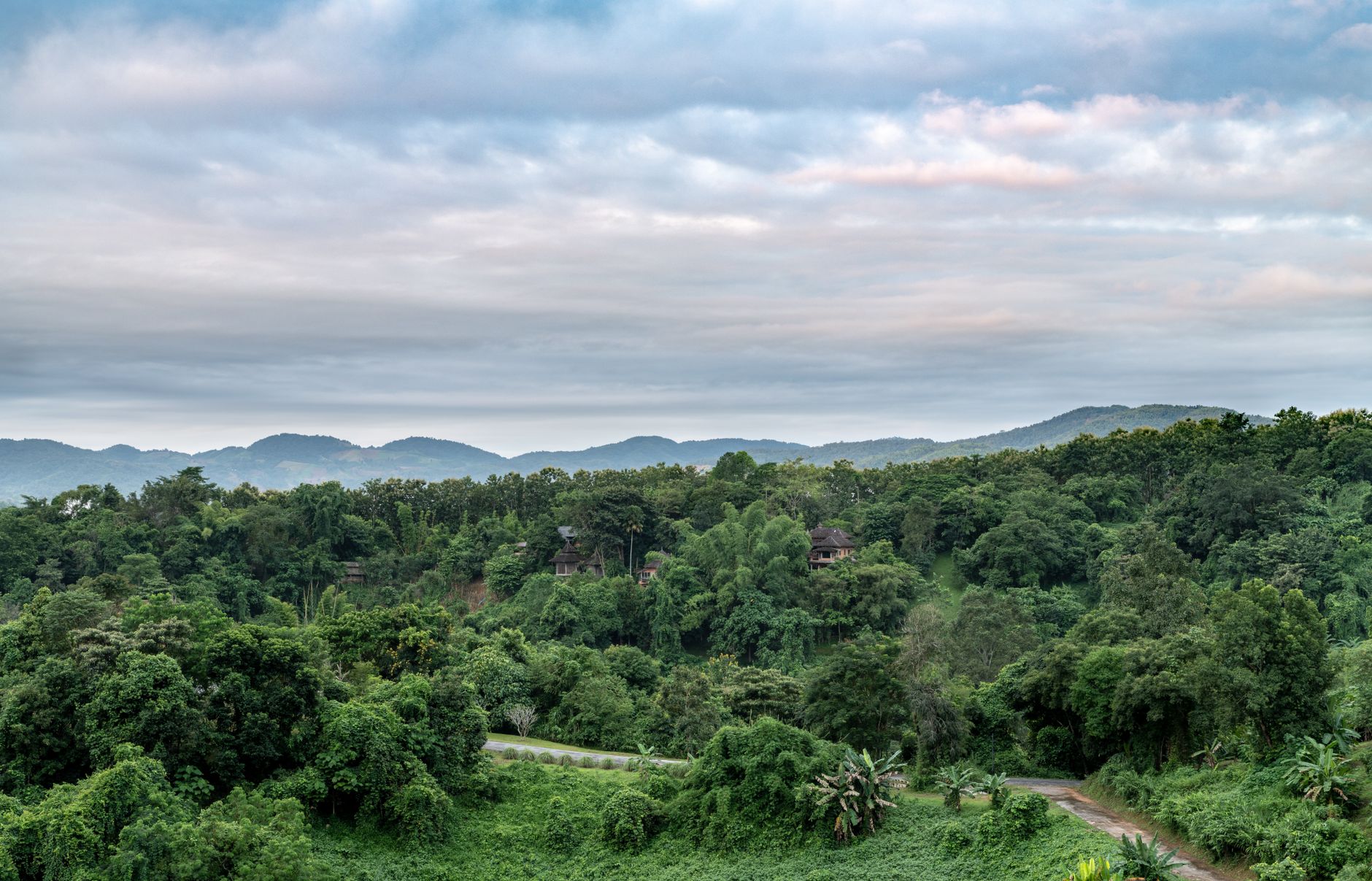
If you ask me, November to February is the sweet spot. The air is cooler, hiking feels less punishing, and camping is more comfortable. That said, I actually like the rainy season for the dramatic waterfalls and deep-green forest, as long as you respect the mud and check trail conditions.
What to do inside Khao Yai National Park
1. Visit the waterfalls
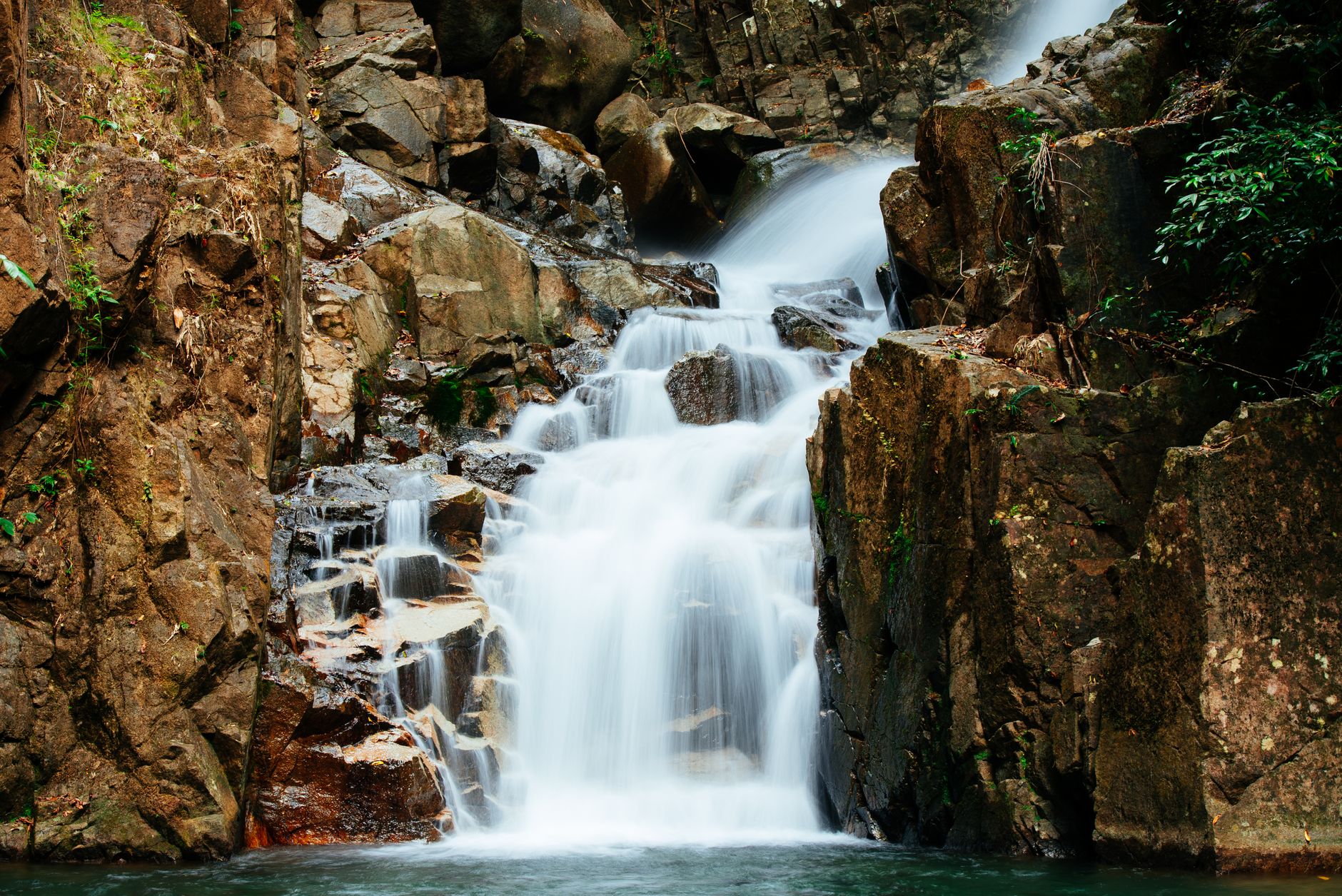
The waterfalls are usually the easiest introduction to the park. Some are impressive year-round, while others are more dramatic after rain.
Haew Narok Waterfall
This is one of the most famous falls in the park, and for good reason. It’s tall, powerful, and a bit of a show-off. The walk from the parking area is manageable, but the final section can be steep in places.
A few practical notes:
- Wear shoes with grip
- Don’t rush the trail
- Keep your distance from the edge, especially after rain
I’ve seen more than one visitor act like the forest owes them a safe selfie spot. It doesn’t.
Haew Suwat Waterfall
This is probably the park’s most photographed waterfall and the one many people recognize from travel photos. It’s easier to access than some of the others, which means it can get busy.
My advice: go early morning if you want fewer people in the frame.
2. Watch for wildlife
Khao Yai is one of the best places in Thailand to see wildlife without needing a specialist guide, though of course nothing is guaranteed. On different visits I’ve spotted:
- hornbills
- macaques
- deer
- gibbons
- monitor lizards
- plenty of birdlife that I could hear before I could identify it
Night drives can be especially rewarding, but they’re best done with a ranger or experienced guide. Don’t go wandering after dark on your own and expect wildlife theater on demand. This is the forest, not a zoo.
A realistic wildlife tip
Your best chances are usually:
- early morning
- late afternoon
- along quieter park roads
- near open roadside areas with forest edge
And yes, if you stop for a photo near monkeys, keep your snacks put away. They are not above theft, and they have zero shame.
3. Go for a forest walk or trail
Khao Yai has trails ranging from short walks to more demanding routes, but not every trail is open all the time. Rangers may close areas due to weather, wildlife activity, or safety conditions.
I always recommend checking at the visitor center or gate for:
- current trail status
- required guides for certain routes
- estimated walking time
- any flood or landslide warnings during rainy months
If you’re new to tropical hiking, here’s the honest version: humidity makes everything feel harder than it looks on paper. Bring more water than you think you need.
4. Join a night safari or ranger activity
One of the more memorable things I’ve done at Khao Yai was an organized night drive. The park after dark feels completely different: quieter, stranger, and much more alive than you’d expect.
These activities typically depend on season, ranger availability, and park policy, so don’t just show up assuming there will be a night safari waiting for you like a menu item. Ask locally or check with your accommodation.
5. Stay overnight nearby or camp in the park
Camping is a big part of the Khao Yai experience for some travelers. If you like waking up to mist and forest noise rather than espresso machines and pool loungers, it’s worth considering.
Camping notes
- Bring your own gear unless you’ve confirmed rental availability
- Nights can get cool in the dry season
- Insects are real, not decorative
- Facilities are basic, so don’t expect luxury
If camping sounds like too much effort, staying in Pak Chong or just outside the park gives you more food options and easier access to cafes, vineyards, and restaurants.
Where to stay
Most people base themselves in one of these areas:
Pak Chong
Best for:
- transport access
- budget and mid-range guesthouses
- food and convenience stores
- day trips into the park
This is the practical base if you’re not camping. It’s also where you’ll find the most flexible accommodation options.
Around the park entrance
Best for:
- early access to the park
- quieter mornings
- resort-style stays
This area is ideal if you want to maximize time inside the park without a long morning drive.
Inside the park
Best for:
- campers
- nature-first travelers
- people who want the full forest immersion
Book early if you want a park-side spot, especially during weekends and holidays.
How to get around once you’re there
This is where many first-time visitors get caught out. Khao Yai is not a “walk out of your hotel and explore everything” destination.
Best ways to move around
- Self-drive: best option
- Private driver: good for day trips
- Taxi/Grab: limited reliability for remote points
- Motorbike: possible in the area, but not ideal for long or steep park roads unless you’re experienced
If you’re traveling without a car, I’d strongly suggest planning a tour or arranging transport in advance. Otherwise you can burn a lot of time and money trying to connect the dots.
Sample one-day itinerary
If you only have one day, this is the rhythm I’d use:
- Arrive early at the park gate
- Head to a waterfall first
- Stop for wildlife viewing along the road
- Have lunch in a nearby town or at your base
- Visit another waterfall or viewpoint in the afternoon
- Return before dark unless you’ve arranged a guided night activity
The mistake many people make is arriving late, spending too long at one sight, and then trying to cram in everything before sunset. Khao Yai rewards slow pacing more than frantic checklist tourism.
What to pack
Here’s what I’d actually bring, based on getting sweaty, wet, bitten, and occasionally overconfident in Thailand’s forests:
- comfortable walking shoes with traction
- light rain jacket
- insect repellent
- sunscreen
- reusable water bottle
- small backpack
- cash in Thai Baht
- flashlight or phone torch
- snacks for long drives or trail days
- a change of clothes if you’re waterfall-hopping
If you’re visiting in the rainy season, waterproof footwear is not overkill. It’s common sense.
Common mistakes to avoid
A few things I’ve watched people do that made their day harder than necessary:
- Arriving without transport plans
- You’ll waste time and money trying to improvise.
- Ignoring park hours
- Don’t expect unrestricted late entry.
- Treating monkeys like cute props
- They can and will grab food, bags, and anything shiny.
- Wearing sandals on trails
- Some areas are uneven, muddy, or slippery.
- Underestimating the humidity
- Even a “short walk” can feel like a workout.
- Skipping cash
- Some fees and local services are easier in cash.
Food and drink
You’ll find simple food stalls and restaurants in and around Pak Chong and some tourist areas near the park. Inside the park, options can be limited or seasonal, so I never rely on finding exactly what I want once I’m deep inside.
My rule:
- eat a proper breakfast before entering
- carry water
- don’t assume there will be a coffee stop exactly when you need one
That last point matters more than I’d like to admit.
Is Khao Yai worth it for solo travelers?
Absolutely. I’ve visited solo and with friends, and Khao Yai works well either way. Solo travel is easiest if you have your own transport or a pre-arranged driver, because the park itself is spread out. But if you’re comfortable being independent, it’s a very manageable and rewarding trip.
There’s something nice about being in a place where you can spend the day hearing nothing but birds and your own footfalls, then end up eating grilled chicken in a roadside spot afterward like nothing happened. Thailand does this contrast very well.
Final tips before you go
- Check current park fees and opening hours before your visit
- Confirm whether trails or waterfalls are open
- Go early for wildlife and better light
- Use a car or organized transport if possible
- Bring cash, water, and patience
- Respect the forest; it doesn’t care about your itinerary
Khao Yai National Park is one of those places that stays with you in small sensory flashes: damp leaves, distant hornbill calls, the sting of sweat on a steep trail, and that first breath of cooler air when the trees close in around you. If you give it enough time, it’s not just a day trip from Bangkok. It becomes one of those trips you keep talking about long after you’ve already unpacked.