
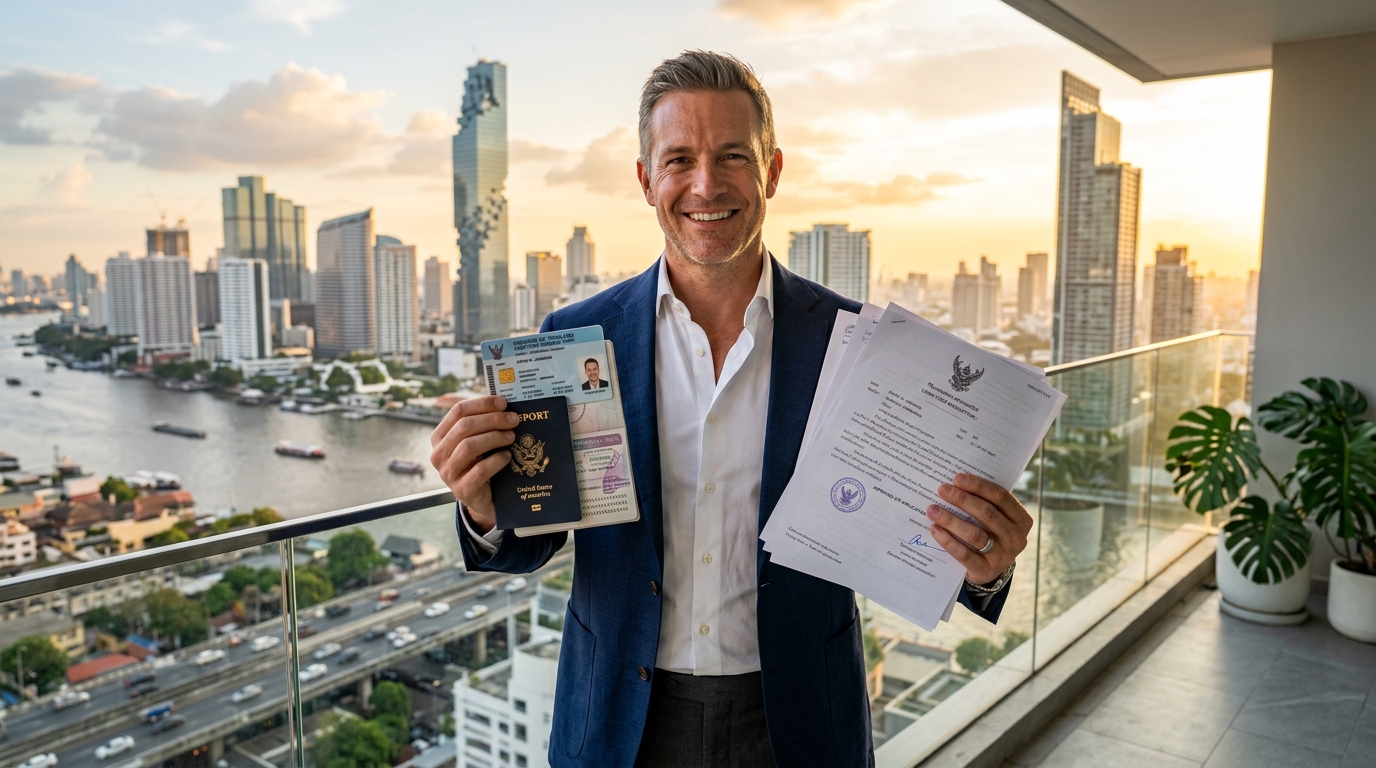
The Moment I Realized a Tourist Stay Was No Longer Enough
At first, my stay in a new country felt temporary in the best way. I had booked a tourist visit with no expectations beyond a change of scenery, a few memorable experiences, and maybe a break from routine. I thought I would come, explore, and return home with a fresh perspective. But somewhere between the daily coffee shop visits, the routine of working remotely, and the feeling that life had become more spacious and intentional, I started to realize that I was not just visiting anymore. I was building something.
That realization is what pushed me to upgrade from a tourist stay to long-term residency. It was not a dramatic leap. It was a series of practical, financial, and emotional decisions that gradually made long-term residency feel less like an aspiration and more like the logical next step. For anyone in the United States thinking about international relocation, investment migration, remote work flexibility, or simply a better quality of life abroad, this transition is worth understanding in depth.
The shift from a short-term tourist arrangement to a legal long-term residency can affect everything from banking and insurance to taxes, healthcare access, property rights, and even business planning. In 2026, with digital nomad culture, AI-driven remote work, cloud-based entrepreneurship, and cross-border financial services becoming more mainstream, the line between travel and living abroad has become increasingly blurred. For me, residency was not just about staying longer. It was about creating stability.
Why Tourist Life Starts to Feel Limited
Tourist status works well when your goal is flexibility. You do not need to worry about long-term commitments, local bureaucracy, or full-scale financial integration. You can enjoy the destination, spend your savings, and leave before things become complicated. But after a while, the limitations begin to show.
A tourist stay is designed for temporary presence. It often comes with time restrictions, limited access to local services, and no real pathway to deeper integration. You may not be able to open certain bank accounts, sign long leases, access affordable health insurance, register a vehicle, or establish long-term legal and tax certainty. If you are trying to run a business, manage investments, or work remotely with U.S. and international clients, those restrictions can become expensive and inefficient.
For me, one of the biggest issues was uncertainty. I was trying to organize my life across borders, and every solution felt temporary. I wanted to build a more reliable system for banking, insurance, taxes, and even cybersecurity. When you are moving money internationally, managing digital assets, or handling client work through cloud computing platforms, stability matters. So does legal clarity.
The Financial Reasons Residency Made Sense
Money was a major part of my decision. Long-term residency offered financial advantages that a tourist stay simply could not match. Once I started comparing the actual costs and benefits, the numbers made the upgrade obvious.
Tourist living can seem cheaper at first because it avoids certain upfront expenses. But over time, the lack of access to local financial infrastructure can create hidden costs. You may rely on foreign cards with foreign transaction fees, use international transfers with poor exchange rates, or pay premiums for short-term housing and temporary insurance. Those costs add up quickly.
Residency opened doors to local banking, more stable payment processing, and better access to financial services. That mattered because I was not just spending money abroad. I was building a life. I needed to think like someone managing a household, a business, and an investment strategy at the same time.
Financial Comparison at a Glance
| Category | Tourist Stay | Long-Term Residency |
|---|---|---|
| Bank access | Limited or difficult | Better access to local and international banking |
| Insurance options | Temporary travel coverage | Broader health, auto, and property insurance options |
| Housing | Short-term rentals, higher monthly cost | Long-term leases, lower monthly cost potential |
| Tax clarity | Often unclear for extended stays | Better structure for tax planning and compliance |
| Business operations | More friction for remote work and contracts | Easier to establish operations and local credibility |
| Financial planning | Unstable and short-term | Predictable and scalable |
This is where the conversation starts to sound a lot like a business decision, because it is. When you think about residency through the lens of finance, investment, and risk management, the upgrade becomes more than lifestyle preference. It becomes a strategic move.
How Residency Improved My Banking and Financial Planning
One of the biggest benefits of long-term residency was the ability to organize my finances more intelligently. With a tourist stay, I was constantly working around limitations. I had to manage transfers, proof of address, identity verification, and payment issues in a way that felt inefficient. Residency created a stronger foundation.
Access to local banking made it easier to split expenses, set up recurring payments, and manage cash flow. It also helped with larger goals like saving, investing, and building a more resilient financial profile. For U.S. readers, this matters because many Americans living abroad still need seamless connections to home-country financial services, retirement accounts, brokerage platforms, and credit management tools.
A resident status also improved my ability to plan around insurance needs. Travel insurance is useful for emergencies, but it is not a substitute for robust long-term coverage. Once residency became official, I had a better path to health insurance, liability coverage, and in some cases property-related policies that matched my actual living situation.
For people who own a business or invest in real estate, residency can also affect loan eligibility, banking relationships, and the kind of documentation lenders require. Even if you are not borrowing immediately, long-term residency can help you look more stable to banks, insurers, and financial institutions.
The Legal Stability I Needed
Tourist stays come with legal ambiguity once you begin extending them too far or using them in ways that resemble residence. That uncertainty was one of the reasons I decided to formalize my situation. I did not want to build my life on gray areas.
Residency provided legal clarity. It reduced the stress of border runs, visa renewals, and guessing whether I was compliant with local rules. It also made everyday life simpler. I could sign contracts, apply for services, and plan ahead without feeling like my situation could collapse with one policy change.
From a legal services perspective, this is one of the most underrated benefits of residency. Once you become a resident, you can more easily work with local attorneys, tax advisors, and compliance professionals to make informed decisions. That matters whether you are buying property, opening a company, planning an estate, or simply making sure your status is properly documented.
In a world where compliance, digital identity, and cross-border regulation are becoming more complex, legal certainty is not just a convenience. It is a form of protection.
Why Remote Work and AI Made Residency More Valuable in 2026

The way we work has changed. In 2026, remote work is no longer a novelty. It is a business model, a lifestyle, and for many people, the backbone of their income. AI tools, cloud computing platforms, digital marketing systems, and automation software now allow professionals to operate from almost anywhere. That flexibility makes long-term residency more attractive than ever.
My own work became easier to manage once I had a stable base. Instead of constantly adjusting to new locations, time zones, and logistical uncertainties, I could organize my schedule around a reliable home base. That stability improved productivity and reduced stress.
If you work in digital marketing, software, consulting, e-commerce, or online services, residency can make a meaningful difference in your operational efficiency. You can establish a legitimate local presence, negotiate with vendors more confidently, and create stronger business relationships. In many cases, clients and partners also trust you more when your situation is clear and established.
AI-powered workflows and cloud-based business infrastructure also benefit from continuity. A long-term base gives you a secure environment to manage data, protect accounts, and maintain systems without constantly scrambling for temporary solutions. That matters for cybersecurity, especially when handling sensitive customer, financial, or legal information.
The Lifestyle Difference Was Bigger Than I Expected
I thought the biggest changes would be paperwork and money. But the emotional and lifestyle differences were just as important.
Tourist life can be exciting, but it is also repetitive in a hidden way. You are always slightly outside the place you are in. You are observing rather than participating. Residency changed that for me. I started building routines, developing local relationships, and understanding the rhythm of daily life in a way that travel never allowed.
I could shop where locals shopped, get to know my neighborhood, and think about the future in months and years instead of days and weeks. That sense of belonging has real value. It affects mental health, decision-making, and even how you spend money. When you are constantly in transit, you tend to spend more on convenience. When you are settled, you can invest in quality.
That shift also changed my priorities. Instead of spending money on short-term experiences alone, I started thinking about long-term asset building, saving strategies, and even how a more stable base might support future investments. I found myself thinking like a resident, not a visitor.
A Simple Growth Chart of the Transition
Tourist Stay to Long-Term Residency: Stability Over Time
Stability
10 |                               ██████████  Residency
 9 |                               ██████████
 8 |                         █████  ██████████
 7 |                         █████  ██████████
 6 |                   █████  █████  ██████████
 5 |                   █████  █████  ██████████
 4 |             █████  █████  █████  ██████████
 3 |       █████  █████  █████  █████  ██████████
 2 |       █████  █████  █████  █████  ██████████
 1 | █████  █████  █████  █████  █████  ██████████
    Tourist  Short    Mid    Planning   Residency
            term      term
The chart above reflects what I felt in real life. Tourist living offers freedom, but it scores low in stability. Residency takes effort, but the stability gain is significant and cumulative.
How Residency Helped With Insurance and Risk Management
Insurance was another area where residency changed everything. Travel insurance is fine for short-term trips, but it is not designed for long-term living. Once I upgraded my status, I could explore more appropriate coverage for health, liability, belongings, and in some cases vehicles or property.
For U.S. readers, insurance often gets overlooked when planning life abroad. But it is one of the most important parts of risk management. Whether you are concerned about health coverage, renters insurance, or liability exposure from freelance work or business operations, residency can make your options more practical and more affordable.
This also tied into broader risk planning. If your income depends on online platforms, cloud storage, or digital client relationships, you need to think about cybersecurity insurance, data protection, and business continuity. Residency helped me create a more stable footprint for all of that. It gave me a real address, a stronger legal foundation, and a better framework for handling unexpected events.
The Business Benefits I Did Not Expect
I did not upgrade to residency because I wanted to start a company, but the business benefits were impossible to ignore. Once I became a resident, it became easier to think strategically about entrepreneurship, consulting, and cross-border opportunities.
Residency can improve credibility. It can help with invoicing, client onboarding, and access to local vendors. It can also simplify the process of working with accountants, attorneys, and compliance experts. That matters if you are running a service business, a digital agency, or an online brand.
For people interested in investment and entrepreneurship, residency can also create opportunities to evaluate local markets more seriously. You are no longer just visiting an economy. You are part of it. That changes how you see real estate, small business partnerships, private investment, and even retirement planning.
I also became more aware of how important a stable legal and financial foundation is when scaling a business. Bank accounts, contracts, cybersecurity policies, and tax planning all become easier when your residency status is clear. In a digital economy, that kind of operational clarity is worth a lot.
The Practical Paperwork Was Worth It
I will not pretend the upgrade was effortless. There was paperwork, documentation, and waiting. But the process was worth it because it solved problems I had been working around for too long.
I had to gather proof of income, identity documents, address information, and supporting records. I also had to think carefully about deadlines and compliance. It was not glamorous, but it was manageable. And once it was done, I realized that much of what had felt complicated was actually just a transition into adulthood, in a sense. I was no longer treating life abroad as an extended vacation. I was treating it like a real long-term plan.
That shift in mindset was powerful. It forced me to think about taxes, banking, housing, legal services, and long-term financial goals with more discipline. In many ways, the paperwork was the easy part. The real work was deciding to commit.
Why This Matters for Americans Considering the Same Move
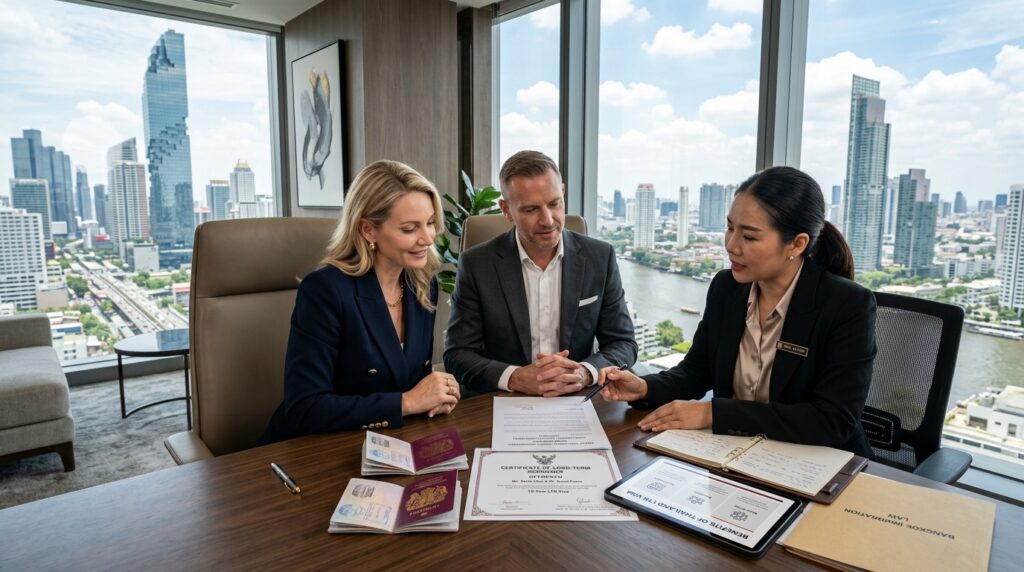
A lot of Americans are now exploring life abroad for the same reasons I did. Some want lower living costs. Others want better weather, healthcare access, a slower pace, or a stronger work-life balance. Many are remote professionals, investors, freelancers, and business owners who want more control over where and how they live.
For that audience, the tourist-to-residency upgrade is especially relevant. If you only want to travel, a tourist stay may be enough. But if you want to build wealth, stabilize your life, and create a stronger international base, residency often makes far more sense.
This is where the decision starts to overlap with broader personal finance strategy. Americans are increasingly thinking about asset protection, cross-border banking, tax efficiency, and diversification. Residency can support those goals when done properly and with professional guidance. The right legal and financial planning can help you make the most of your move while avoiding costly mistakes.
A Side-by-Side Summary of the Real Difference
| Factor | Tourist Stay | Long-Term Residency |
|---|---|---|
| Purpose | Temporary travel | Stable living arrangement |
| Financial structure | Fragmented | Organized and scalable |
| Access to services | Limited | Expanded |
| Tax planning | Unclear or reactive | Proactive and structured |
| Business use | Limited credibility | Stronger professional base |
| Lifestyle | Flexible but temporary | Rooted and predictable |
| Risk management | Higher uncertainty | Better long-term control |
This table captures what I learned the hard way: a tourist stay is a chapter, but residency is a system.
Final Thoughts on Why I Made the Upgrade
I upgraded from a tourist stay to long-term residency because I wanted more than a place to sleep and explore. I wanted a life I could actually build. I wanted financial clarity, legal stability, better access to banking and insurance, and a stronger foundation for remote work and future investments.
The decision was about practicality, but also about identity. At some point, I stopped asking myself where I was going next and started asking where I wanted to belong. Residency answered that question.
For anyone in the United States considering a similar move, the lesson is simple. If your stay is becoming a lifestyle, it is time to think beyond tourism. Long-term residency is not just a visa status. It is a strategic upgrade that can improve your finances, reduce your stress, and help you build a more secure future in a world that increasingly rewards mobility, adaptability, and smart planning.