
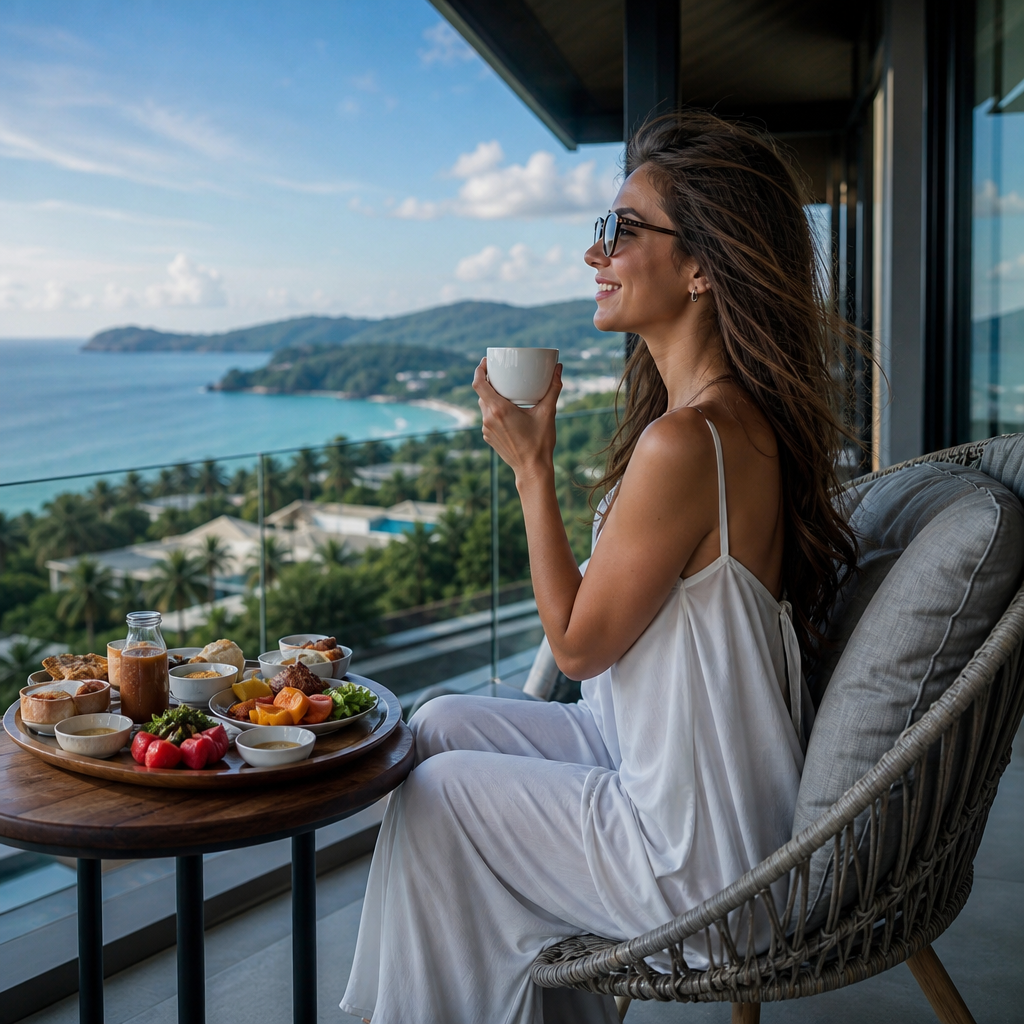
The Everyday Luxuries I Never Expected to Enjoy in Thailand
When most Americans picture luxury travel in Thailand, they imagine five-star beach resorts, rooftop cocktails in Bangkok, private island villas, and spa days that cost less than a dinner out in New York or Los Angeles. Those things absolutely exist, and they are as appealing as the photos suggest. But the real surprise, at least for me, was not the obvious luxury.
It was the everyday life luxuries.
The small, repeatable comforts that quietly change your quality of life. The kind of conveniences that make a place feel not just beautiful, but deeply livable. Thailand has a way of turning ordinary routines into something that feels indulgent, efficient, and strangely restorative. For U.S. travelers, remote workers, retirees, digital entrepreneurs, and long-stay visitors, that matters more than people realize.
This is especially true in 2026, when many Americans are reevaluating costs, lifestyle, business flexibility, and long-term financial planning. Rising U.S. housing prices, insurance premiums, loan payments, healthcare costs, and even cloud-based business expenses have pushed many people to think more strategically about where and how they live. Thailand enters that conversation not just as a travel destination, but as a place where life can feel more spacious, more affordable, and, surprisingly, more luxurious.
Below is a closer look at the everyday luxuries I never expected to enjoy in Thailand, and why they left such a lasting impression.
A Life That Feels Easier Before the Day Even Starts
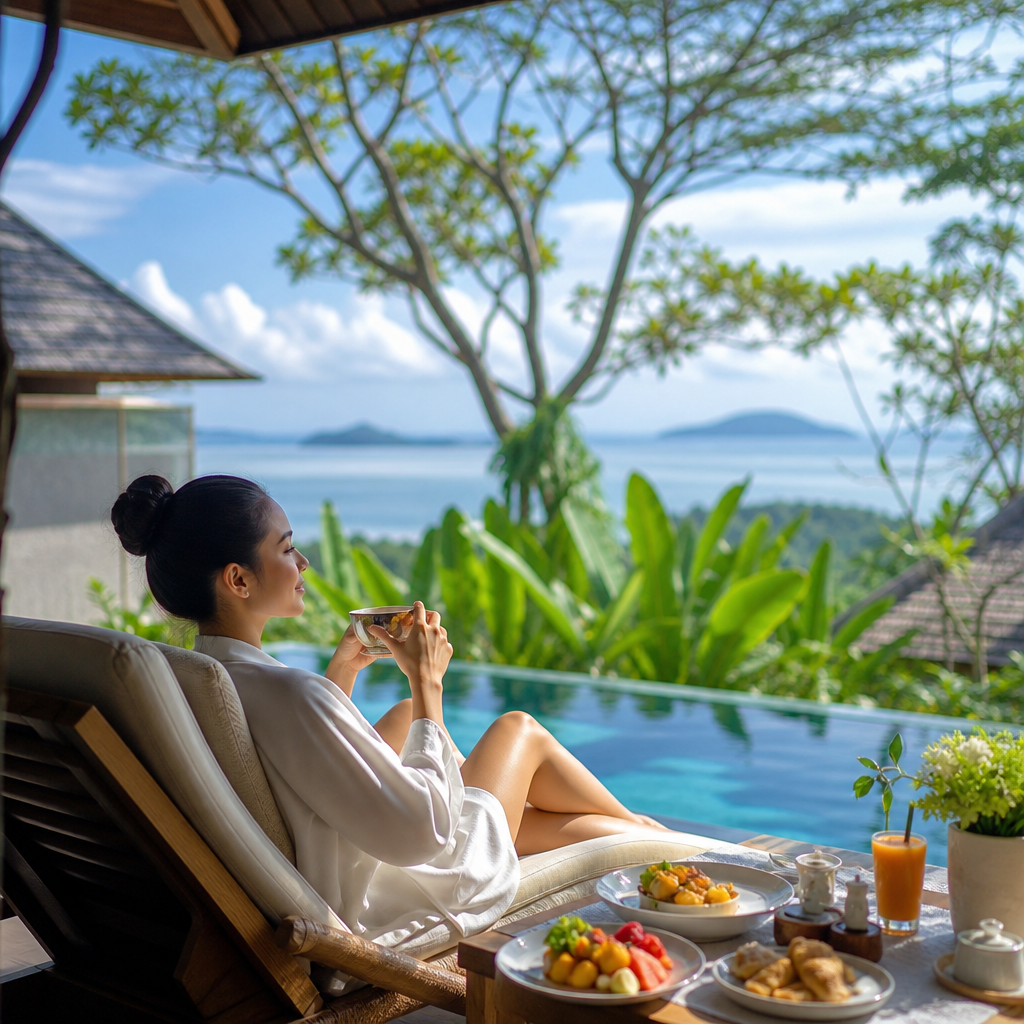
One of the first luxuries I noticed in Thailand was how easy mornings felt. Not in an abstract, spiritual way, but in a practical, real-world sense.
In many Thai cities and neighborhoods, breakfast is not a stressful event. It is accessible, inexpensive, and delicious. You can get fresh fruit, rice porridge, grilled chicken, noodle soup, eggs, coffee, and pastries from street vendors, neighborhood cafés, and convenience stores that operate with impressive consistency. There is no need to plan a complicated grocery run or spend forty minutes making a “simple” breakfast at home.
That sounds small until you live it every day. Convenience becomes a form of luxury when it reduces decision fatigue. In the United States, many professionals spend so much time coordinating errands, commuting, paying for parking, and managing schedules that even the morning routine feels like a logistics problem. In Thailand, mornings often feel lighter.
For remote workers, consultants, and founders juggling digital marketing, AI tools, cloud computing dashboards, and client calls across time zones, that ease matters. It creates a smoother mental runway for work.
Affordable Fresh Food That Tastes Like a Treat
One of the most unexpected luxuries in Thailand is the consistency of high-quality food at everyday prices. Fresh tropical fruit, seafood, rice dishes, curries, soups, and juices are not limited to fancy restaurants. They are part of normal life.
This means that eating well does not require a luxury budget. You can have mango, pineapple, papaya, coconut, and dragon fruit that taste like they were picked at the peak of ripeness. You can order a beautifully prepared meal from a market stall for a fraction of what a casual lunch might cost in the U.S.
For American readers used to tracking grocery inflation, restaurant markups, and the rising cost of food delivery, this feels almost surreal. In the U.S., convenience often comes at a premium. In Thailand, convenience can actually be the affordable option.
Here is a simple comparison of typical everyday food costs, using broad ranges that can vary by city and neighborhood:
| Everyday Food Item | Thailand Typical Cost | United States Typical Cost |
|---|---|---|
| Street breakfast or local meal | $1.50–$4 | $8–$18 |
| Fresh fruit smoothie | $1.50–$3.50 | $6–$10 |
| Casual café coffee | $1.50–$3 | $4–$7 |
| Mid-range restaurant lunch | $4–$10 | $15–$30 |
| Delivery fee | Low to moderate | Often high plus tips |
The luxury is not just cheap food. It is the ability to eat fresh, varied meals without constantly thinking about cost.
The Hidden Luxury of Reliable Convenience Stores
Americans tend to think of convenience stores as last-resort places for chips, soda, and overpriced essentials. In Thailand, convenience stores feel more like a crucial part of modern urban life.
7-Eleven, FamilyMart, and similar stores are everywhere, and they are remarkably useful. Need a cold coffee, bottled water, local snacks, phone top-up, toiletries, or a quick meal? It is often only a short walk away. Many locations are clean, efficient, and surprisingly well-stocked.
This creates a subtle but important luxury: the luxury of being able to solve small problems instantly.
If you live or travel in the United States, you may be accustomed to driving for errands, dealing with limited hours, or waiting for deliveries. In Thailand, convenience can be closer to a utility than a convenience. That changes how your day feels.
For people managing a business, especially those running e-commerce, online consulting, or AI-supported workflows, this kind of infrastructure is invaluable. It means fewer interruptions and more time for actual work.
Massage as a Normal Part of Life
This was perhaps the most memorable everyday luxury: the fact that massage is not a rare indulgence in Thailand. It is normal.
In many parts of the U.S., a massage is something you book for a special occasion, recovery session, or self-care splurge. In Thailand, it can be part of your weekly rhythm. Traditional Thai massage, foot massage, oil massage, and spa treatments are widely available and often affordable enough to fit into regular life.
The effect is profound. When body maintenance becomes accessible, your stress level changes. Your posture improves. Your sleep may improve. Even your work focus can improve, especially if you spend long hours on a laptop in the cloud, building presentations, reviewing contracts, or handling digital marketing campaigns.
For Americans dealing with high-pressure careers, business travel, or insurance, legal, and finance-related workloads, this kind of physical restoration feels like a real quality-of-life upgrade.
A simple way to think about it:
| Self-Care Option | U.S. Frequency for Many People | Thailand Frequency for Many People |
|---|---|---|
| Massage | Occasional luxury | Routine wellness habit |
| Spa treatment | Special splurge | Accessible monthly or weekly |
| Foot care | Optional | Common and convenient |
That shift changes more than the body. It changes the pace of life.
Clean, Polished Malls That Feel Like Urban Resorts
I did not expect shopping malls to become one of my favorite everyday luxuries in Thailand, but they did.
Thai malls are often beautifully designed, air-conditioned, clean, and full of everything from high-end fashion to affordable food courts. They are not just places to shop. They are places to spend time comfortably. On hot or rainy days, they function almost like social infrastructure.
For Americans used to suburban strip malls or cramped shopping centers, the experience can feel unexpectedly upscale. You can walk around comfortably, eat well, see a movie, get a haircut, handle errands, and enjoy a few hours in a polished environment.
There is also a practical reason this matters. Thailand’s heat and humidity can be intense. Having access to cool, well-maintained indoor spaces makes daily life easier and more pleasant. That may sound ordinary, but it is exactly the point. Luxury is often about removing friction.
The Quiet Joy of Walkability in the Right Places
Walkability is not uniform across Thailand, but in many neighborhoods it is much more realistic than in the car-dependent parts of the United States. That alone can feel luxurious.
Being able to walk for coffee, a meal, a massage, or a quick errand without planning an entire vehicle strategy changes your experience of a city. It gives your day a human scale. You notice the street life, the weather, the food stalls, the sounds, and the rhythm of the neighborhood.
For U.S. readers who spend a lot of time in traffic, paying for gas, insurance, rideshares, parking, or car maintenance, the freedom of a more walkable environment is hard to overstate. It may not sound like luxury in the traditional sense, but it absolutely behaves like one.
This also has economic relevance. Lower dependence on car ownership can mean better cash flow, fewer recurring expenses, and more room in the budget for travel, investing, or building a business. In 2026, with Americans increasingly thinking about retirement planning, online income, and financial resilience, that matters.
Affordable Haircuts, Grooming, and Personal Care
There is something quietly satisfying about getting a good haircut or grooming service without the sticker shock.
In Thailand, personal care services often feel like they are designed to be part of normal life rather than rare luxury outings. Haircuts, nails, facials, barber services, and beauty treatments can be surprisingly accessible. The result is that people can stay polished without spending like they are financing a premium subscription.
This is not just about vanity. Looking and feeling put together affects confidence, presentation, and even professional credibility. For business owners, entrepreneurs, and remote professionals, maintaining a neat appearance can support everything from client trust to personal brand value.
In the U.S., where many professionals already invest heavily in software, cloud subscriptions, cybersecurity tools, legal consultations, and digital advertising, saving on everyday grooming can quietly improve household or business budgets.
The Luxury of Time, Not Just Money
Perhaps the biggest surprise was how Thailand seemed to offer time back.
The pace of daily life in many places feels more manageable. You are not always battling an endless chain of errands, expensive parking, long commutes, and high-pressure scheduling. Of course, Thailand has its own traffic and urban challenges, but the day-to-day experience often feels less fragmented.
That extra time is a luxury of its own. It can be used for reading, exercise, business strategy, AI experimentation, online learning, or simply doing less. In a world where many Americans are overbooked and under-rested, time has become a scarce asset.
This is especially relevant for people working in high-demand fields like finance, insurance, legal services, cloud architecture, or cybersecurity. Those industries often come with constant alerts, deadlines, risk management, and administrative overhead. Thailand’s slower rhythms can create a better environment for focus and recovery.
Air Conditioning as a Daily Comfort, Not a Rare Feature
Americans know air conditioning well, but in Thailand it feels like a more seamlessly integrated part of public life. Cafés, hotels, malls, restaurants, coworking spaces, and many apartments prioritize cooling in a way that makes life noticeably easier.
This may seem like a trivial comfort until you spend a humid afternoon moving between appointments, working on a laptop, or trying to rest. The presence of reliable cooling transforms the environment from tiring to tolerable, and sometimes from tolerable to genuinely pleasant.
A/c is not glamorous, but it is absolutely a modern luxury. It supports productivity, sleep quality, and comfort. For people who rely on cloud computing workflows, remote client management, or constant digital communication, the ability to remain physically comfortable during work hours is more valuable than it sounds.
High-Quality Coffee Culture at Everyday Prices
Coffee in Thailand was another unexpected pleasure. Not only are coffee drinks widely available, but they are often very good, often attractive, and often affordable.
Whether you prefer iced coffee, strong local blends, specialty café drinks, or sweeter Thai-style versions, the range is impressive. Many cafés are designed with excellent ambiance, which adds to the feeling that a simple coffee break can be a small luxury instead of a rushed necessity.
For Americans who have become accustomed to premium coffee pricing in major U.S. cities, Thailand can feel like a relief. You can work from a café, meet friends, or just enjoy a well-made drink without feeling like you’re paying a premium for the privilege of sitting in air conditioning.
This matters for the modern remote-work lifestyle, especially for professionals who run their own businesses, manage digital marketing campaigns, review analytics, or handle AI-assisted productivity systems from café tables.
Safe, Comfortable, and Service-Oriented Hospitality
Thai hospitality is often talked about in broad terms, but the everyday version is what really stands out. Staff members are generally attentive, polite, and service-oriented in a way that makes routine interactions feel pleasant.
Whether you are checking into a hotel, ordering food, getting directions, or asking for help at a store, the experience often feels smoother than expected. This does not mean every interaction is perfect, but the cultural emphasis on gracious service leaves a strong impression.
In practical terms, this reduces stress. When you are traveling internationally, small moments of friction can add up fast. Clear, courteous service makes a place feel welcoming. For American visitors who may be balancing work deadlines, family obligations, insurance paperwork, or business calls while abroad, that ease is a meaningful luxury.
Everyday Beauty: Temples, Street Life, and Green Spaces
Another luxury I never expected to enjoy so much was beauty as part of daily life. Thailand’s visual environment often feels rich without trying too hard. Temples, gardens, street markets, water views, and carefully designed public spaces can appear in the middle of ordinary routines.
This matters because beauty affects mood. Walking past a temple on the way to lunch, seeing flowers outside a storefront, or hearing the sound of evening traffic mixed with street food activity gives the day texture. It makes life feel less sterile.
For many Americans, especially those living in dense suburbs, office parks, or high-traffic urban corridors, the ordinary environment can be visually draining. Thailand often offers sensory richness in a more accessible and less expensive way.
A Comparison of Everyday Luxuries
Here is a quick summary of the everyday luxuries that stood out most:
| Everyday Luxury | Why It Feels Special | Real-World Benefit |
|---|---|---|
| Affordable fresh food | High quality without high cost | Better nutrition and lower spending |
| Frequent massage | Wellness as a routine | Reduced stress and muscle tension |
| Convenient stores everywhere | Problems get solved quickly | Saves time and energy |
| Comfortable malls and cafés | Clean, cool, usable spaces | Better social and work environments |
| Walkable neighborhoods | Less dependence on cars | Lower costs and better lifestyle |
| Affordable grooming | Looking polished is easier | Confidence and professionalism |
| Reliable hospitality | Interactions feel smoother | Lower daily stress |
| Everyday beauty | The environment feels uplifting | Better mood and quality of life |
Why These Luxuries Matter to Americans in 2026
For readers in the United States, these luxuries resonate because they connect directly to modern pressures at home. Housing costs remain high in many markets. Health insurance, legal services, banking fees, and loan payments can create persistent financial stress. Business owners are balancing digital marketing costs, cybersecurity risks, cloud infrastructure bills, and AI tool subscriptions. Even routine life in America can feel expensive and administratively heavy.
Thailand offers a different model. Not a perfect one, and not one without tradeoffs, but a model where many everyday comforts are available at a lower cost and with less friction.
That opens doors for several types of people. Remote workers can stretch their budgets while maintaining a high quality of life. Retirees can enjoy comfort without overspending. Entrepreneurs can reduce lifestyle burn rate and focus on growth. Digital nomads can operate leaner businesses. Even short-term visitors can appreciate how daily life can feel lighter.
In finance terms, the lifestyle arbitrage is real. Lower recurring expenses can free up capital for savings, index funds, business investment, emergency reserves, or debt reduction. In a world where people are becoming more intentional about asset allocation, passive income, and long-term planning, that matters.
A Simple Lifestyle Cost Snapshot
Below is a rough illustration of how daily life can feel financially different:
Typical U.S. Monthly Lifestyle Pressure  ████████████████
Typical Thailand Monthly Lifestyle Pressure ███████
This is not a scientific chart, just a visual shorthand for the difference many people feel in housing, transportation, food, and personal care.
The Real Luxury Was Emotional, Not Just Financial
The biggest surprise was that these luxuries were not only about money. They were about mental space.
Thailand made ordinary life feel softer. More manageable. Less punishing. It gave me the feeling that comfort was built into the rhythm of the day, instead of reserved for special occasions. That kind of environment can change how you think, work, rest, and plan.
For Americans coming from a culture of speed, optimization, and constant expense tracking, this can be transformative. A place does not need to be extravagant to feel luxurious. Sometimes the true luxury is ease. Sometimes it is delicious food nearby, affordable care, a peaceful walk, or the ability to live well without constantly calculating every dollar.
And in Thailand, that kind of luxury is not rare. It is woven into ordinary life.
Final Thoughts
I expected Thailand to be beautiful, exciting, and affordable. I did not expect it to make daily life feel so refined.
The everyday luxuries I never expected to enjoy were not always the flashiest ones. They were the practical comforts: fresh food, affordable wellness, walkability, convenience, service, cooling spaces, polished cafés, and a rhythm that felt kinder to the body and mind. For a United States audience looking beyond the postcard version of travel, that is the real story.
Thailand shows that luxury does not always mean exclusivity. Sometimes it means accessibility. Sometimes it means having more comfort, more beauty, and more ease in normal life. And once you experience that, it is hard not to rethink what luxury really means.